The Humble Black-Eyed Pea: A Bowl of Southern Tradition
Introduction
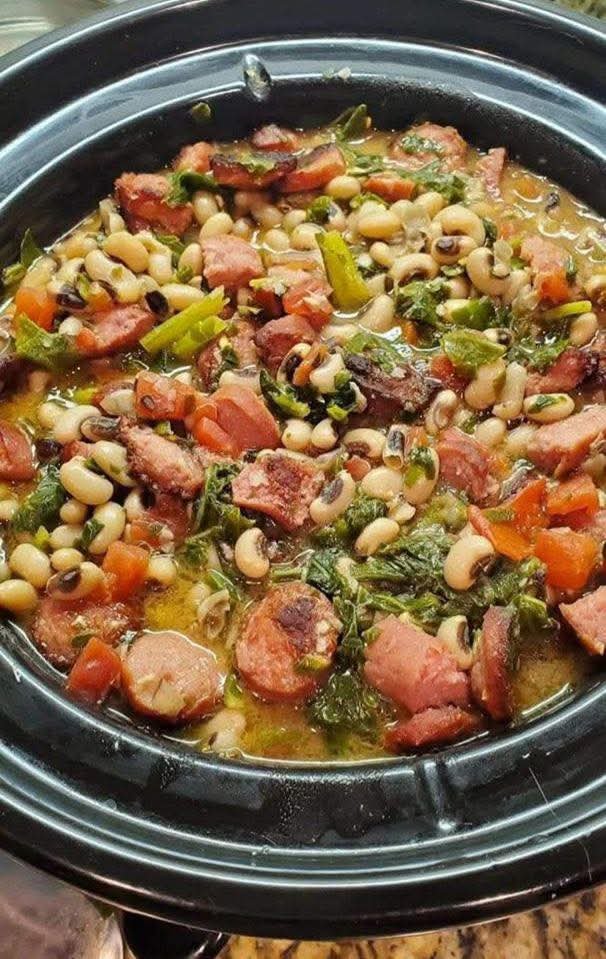
Black-eyed peas are more than just a humble legume—they’re edible history, simmered in tradition and served with a side of hope. For generations across the American South, these creamy, earthy beans have symbolized prosperity, resilience, and community. Whether enjoyed on New Year’s Day for good luck or as a staple of Sunday supper, a pot of black-eyed peas represents comfort, nourishment, and connection. This recipe honors that tradition while delivering deep, layered flavor in every spoonful.
Historical Roots
Black-eyed peas (actually a bean, Vigna unguiculata) trace their culinary journey from West Africa, where they’ve been cultivated for millennia. Enslaved Africans brought them to the Americas, where they became a cornerstone of Southern cuisine. Their association with good luck dates to the Civil War era, when they were considered “poor man’s food” and left untouched by Union troops, thereby providing sustenance for surviving Southerners. From this hardship grew a tradition of eating black-eyed peas on New Year’s Day to ensure prosperity and protection.
Nutritional Benefits
Black-eyed peas are a powerhouse of nutrition:
· High in fiber – promotes digestive health
· Rich in plant-based protein – excellent for vegetarian diets
· Packed with folate, iron, and potassium – supports heart health and energy
· Low in fat – a heart-healthy choice
· Contains antioxidants – helps combat inflammation
Ingredients
Main Components
· 1 lb (about 2½ cups) dried black-eyed peas, rinsed and picked over
· 8 cups vegetable broth (or chicken broth for non-vegetarian version)
· 1 large ham hock, smoked turkey leg, or 4 slices thick-cut bacon (optional, for meat version)
· 2 tablespoons olive oil or bacon fat
· 1 large yellow onion, diced
· 1 green bell pepper, diced
· 3 celery stalks, diced
· 4 cloves garlic, minced
Flavor Builders
· 1 (14.5 oz) can diced tomatoes, with juices
· 2 bay leaves
· 1 teaspoon dried thyme
· 1 teaspoon smoked paprika
· ½ teaspoon cayenne pepper (adjust to taste)
· 1 tablespoon apple cider vinegar
· 1 teaspoon sugar
· Salt and black pepper to taste
The “Hoppin’ John” Addition (Traditional)
· 1½ cups long-grain white rice, cooked separately
· ½ cup chopped fresh parsley or scallions for garnish
For Serving
· Cornbread, collard greens, and hot sauce (traditional accompaniments)
Method & Instructions
Step 1: Prepare the Peas
- Place rinsed black-eyed peas in a large pot and cover with water by 2 inches.
- Bring to a boil, then remove from heat, cover, and let soak for 1 hour. Drain. (Alternatively, use the quick-soak method: boil for 2 minutes, then soak covered for 1 hour.)
Step 2: Build the Flavor Base
- In a large Dutch oven or heavy-bottomed pot, heat olive oil or bacon fat over medium heat.
- Add onion, bell pepper, and celery. Sauté until softened, about 8 minutes.
- Add garlic and cook until fragrant, about 1 minute.
- If using meat, add it now and brown slightly.
Step 3: Simmer to Perfection
- Add the soaked and drained peas to the pot along with broth, diced tomatoes, bay leaves, thyme, smoked paprika, and cayenne.
- Bring to a boil, then reduce heat to low. Cover and simmer gently for 1 to 1½ hours, until peas are tender but not mushy.
- If using ham hock or turkey leg, remove after cooking, shred the meat, and return it to the pot.
- Stir in apple cider vinegar, sugar, salt, and black pepper. Adjust seasonings to taste.
Step 4: Traditional Serving Formation (Hoppin’ John)
- Cook rice separately according to package directions.
- For each bowl, place a scoop of rice in the center, then ladle black-eyed peas and broth around it.
- Garnish with chopped parsley or scallions.
For the Lovers of Black-Eyed Peas
This dish appeals to:
· Traditionalists who honor New Year’s and family customs
· Comfort food seekers craving nourishing, hearty meals
· Plant-based eaters (when prepared without meat)
· History enthusiasts tasting a story in every bite
· Home cooks looking for affordable, crowd-pleasing recipes
Serving Suggestions & Final Touches
Presentation: Serve in deep bowls with rice nestled amid the peas. Accompany with:
· Warm, buttery cornbread
· Sautéed collard greens with a splash of vinegar
· Crispy fried okra or squash
· A bottle of your favorite hot sauce on the side
Storage: Flavors deepen overnight. Store in an airtight container for up to 5 days, or freeze for 3 months.
Conclusion
A pot of black-eyed peas is more than a meal—it’s a ritual, a connection to history, and a promise of warmth and togetherness. In each creamy bean lies a story of survival, adaptation, and hope. Whether you’re serving it for luck, for comfort, or simply for the joy of good food, this humble dish nourishes both body and spirit. As Southerners say: “Eat poor on New Year’s, eat fat the rest of the year.” May your bowl be full, and your year be blessed.
“Peas for peace, greens for dollars, and cornbread for gold.” – Southern New Year’s blessing