Absolutely! Let’s turn your simple DIY self-rising flour into a full, rich, story-filled recipe post that covers everything from history to methods and even the “lovers” of this versatile pantry staple. Here’s a comprehensive version:
DIY Self-Rising Flour: Your Pantry Game-Changer
Introduction
Self-rising flour is a baking hero, quietly waiting on your shelf to transform ordinary recipes into fluffy, tender masterpieces. Unlike all-purpose flour, self-rising flour already contains baking powder and salt, which means you can skip extra measurements and simplify recipes. From biscuits to pancakes, muffins to cakes, this simple ingredient saves time while guaranteeing consistent results. Making it at home is easier than you think—and you’ll never have to worry about running out mid-recipe again!
History of Self-Rising Flour
Self-rising flour has roots dating back to the 19th century. It was popularized in the United States and Europe as a convenient shortcut for home bakers, especially in times when precise measurements were challenging, or baking soda wasn’t widely used. The addition of a leavening agent (baking powder) and salt directly into flour meant anyone could create light, airy baked goods without fuss. Today, it’s a staple in Southern American kitchens, beloved for classic biscuits and cornbread.
Ingredients
- 4 cups all-purpose flour
- 2 tablespoons baking powder
- 2 teaspoons salt
Optional: Adjust the salt slightly depending on the type of recipes you’ll use it for.
Instructions
Method 1: Quick Mix
- In a large mixing bowl, combine 4 cups of all-purpose flour, 2 tablespoons of baking powder, and 2 teaspoons of salt.
- Whisk or sift the mixture together thoroughly to ensure the leavening agent is evenly distributed.
- Use immediately in any recipe calling for self-rising flour.
Method 2: Storage for Later
- Follow the same mixing instructions above.
- Transfer the mixture to an airtight container.
- Store in a cool, dry place for up to 6 months.
- Always give the flour a gentle shake or sift before using to re-incorporate ingredients.
Formation and Tips
- Even Distribution: Sifting ensures baking powder and salt are evenly mixed with the flour. This prevents uneven rising in baked goods.
- Scaling Up: You can double or triple the recipe to fill a larger container—just maintain the ratios.
- Freshness: Homemade self-rising flour lasts about 6 months, but baking powder loses potency over time. Always check the expiration date of your baking powder for best results.
Conclusion
Making your own self-rising flour is a small effort with a big payoff. Not only does it save money, but it also gives you confidence in your baking. You’ll always know exactly what’s in your flour, and you’ll never need to measure baking powder again. From fluffy biscuits to tender cakes, this DIY mix is a reliable kitchen ally.
Lovers of Self-Rising Flour
- Southern Biscuit Enthusiasts: Swear by it for their golden, flaky layers.
- Pancake and Waffle Lovers: Enjoy faster, fluffier breakfasts.
- Cake Bakers: Appreciate the even texture it delivers.
- Beginner Bakers: Find it forgiving and simple to use.
Methods for Lovers
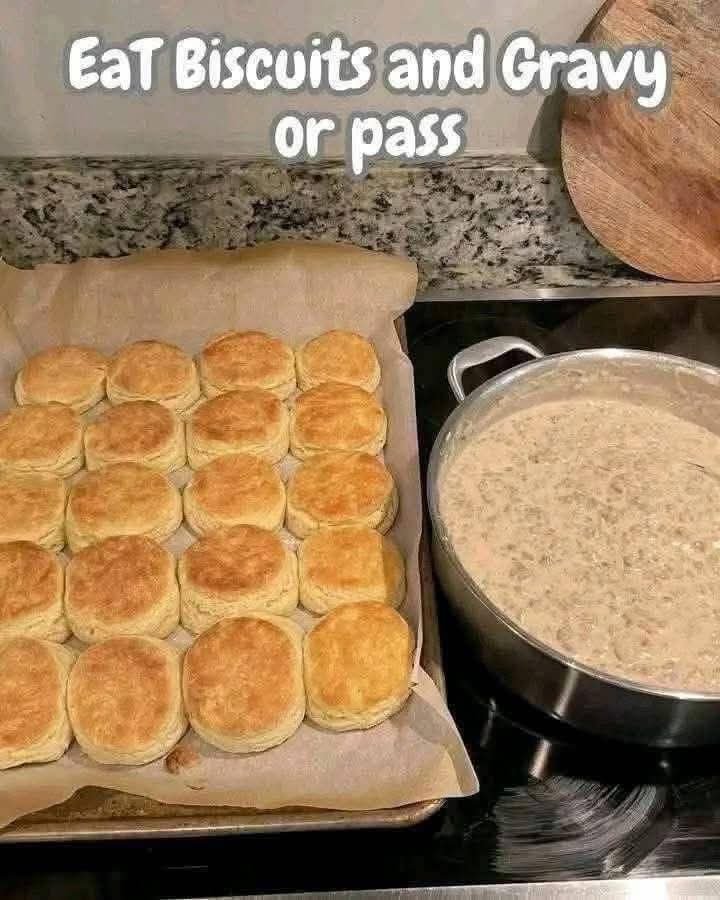
- Classic Biscuit Method: Cut cold butter into 2 cups of your DIY self-rising flour, add milk, knead lightly, and bake at 450°F for 10–12 minutes. Golden and flaky every time!
- Quick Muffins: Combine 2 cups of self-rising flour with sugar, milk, eggs, and berries. Spoon into muffin tins and bake. Easy, fast, and always rises beautifully.
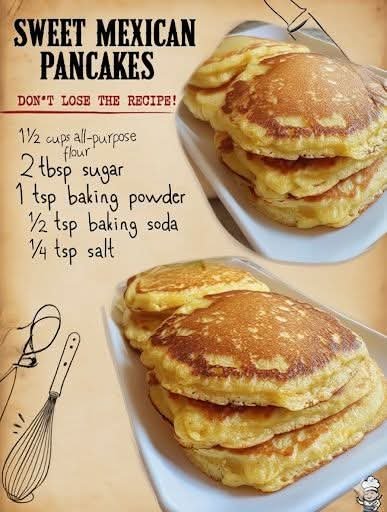
- Pancakes on the Fly: Use self-rising flour for pancakes—you can skip additional leavening and still get airy stacks.
Homemade self-rising flour isn’t just an ingredient—it’s a love letter to simple, reliable baking. Once you make your own, your kitchen becomes a world of effortless, fluffy, golden creations!
If you want, I can also create a “DIY Self-Rising Flour Baking Master Plan” showing 5+ different recipes you can immediately use it in, with step-by-step methods, all in one giant guide. That would be huge and fun!
Do you want me to make that?