Beef Liver and Onions is a classic, rustic dish that transcends generations. Often met with skepticism by those who remember overcooked, bitter versions from childhood, this recipe aims to change that perception. When prepared correctly, beef liver is tender, mild, and beautifully complemented by the sweet, caramelized onions and rich pan sauce. It’s a dish steeped in tradition, offering a powerful nutritional punch in a deeply satisfying package. This guide will walk you through creating the perfect plate, explore its rich history, and detail why it deserves a place in your culinary repertoire.
History & Cultural Significance
Liver is one of humanity’s oldest foods, valued across continents and cultures. In medieval Europe, it was considered a delicacy. In the United States, liver and onions became a staple in diners and home kitchens during the mid-20th century, prized for its affordability and nutrition, especially during times of economic hardship like the Great Depression. It represents a time of nose-to-tail eating, where no part of the animal was wasted. Today, it’s experiencing a renaissance among health-conscious eaters and culinary traditionalists alike.
The Lovers & The Skeptics
This dish has a devoted following—the lovers. They cherish its deep, savory flavor (often described as “meaty” or “mineral-rich”), its melt-in-your-mouth texture when cooked right, and the nostalgic comfort it provides. They appreciate it as a nutrient-dense superfood.
The skeptics often cite a strong flavor or a chalky, tough texture—usually the result of poor-quality liver or, most commonly, overcooking. This recipe is designed to win them over by highlighting technique: quick cooking, proper soaking, and the balance of sweet onions.
Ingredients
· 1 lb (450g) beef liver, sliced ¼ to ½-inch thick · 2 large yellow or sweet onions, thinly sliced · ¼ cup (30g) all-purpose flour · ¼ – ½ cup (55g – 115g) unsalted butter, divided · ½ tsp salt, plus more to taste · ½ tsp freshly ground black pepper · 1 cup (240ml) beef broth or stock · 2 tbsp balsamic vinegar or red wine (optional, for deglazing) · 2-3 sprigs fresh thyme (or ½ tsp dried) · ½ cup (120ml) milk or buttermilk (for soaking, optional but recommended)
Nutritional Profile (Per Serving, serves 4)
Beef liver is arguably the most nutrient-dense food on the planet.
· Calories: ~350 · Protein: 25g – Excellent source of complete protein. · Iron: 5mg (Over 60% RDA) – Highly bioavailable heme iron, crucial for energy and blood health. · Vitamin A: Over 500% RDA – Essential for vision, immune function, and skin health. · Vitamin B12: Over 1000% RDA – Vital for nerve function and red blood cell formation. · Copper, Folate, Riboflavin, and Choline: Exceptionally high levels. · Note: Due to its high vitamin A content, consumption should be limited to once a week for most adults.
Instructions & Methods
Part 1: Preparation (The Key to Tenderness)
Soak the Liver (Optional but Highly Recommended): Place the liver slices in a shallow dish and cover with milk or buttermilk. Let soak for 1-2 hours in the refrigerator. This mellows any strong flavors and helps tenderize the meat. Pat completely dry with paper towels before cooking.
Prepare the Coating: On a plate or shallow dish, mix the flour, salt, and pepper.
Slice the Onions: Halve and thinly slice the onions into half-moons.
Part 2: Cooking
Method: Sautéing & Pan-Frying
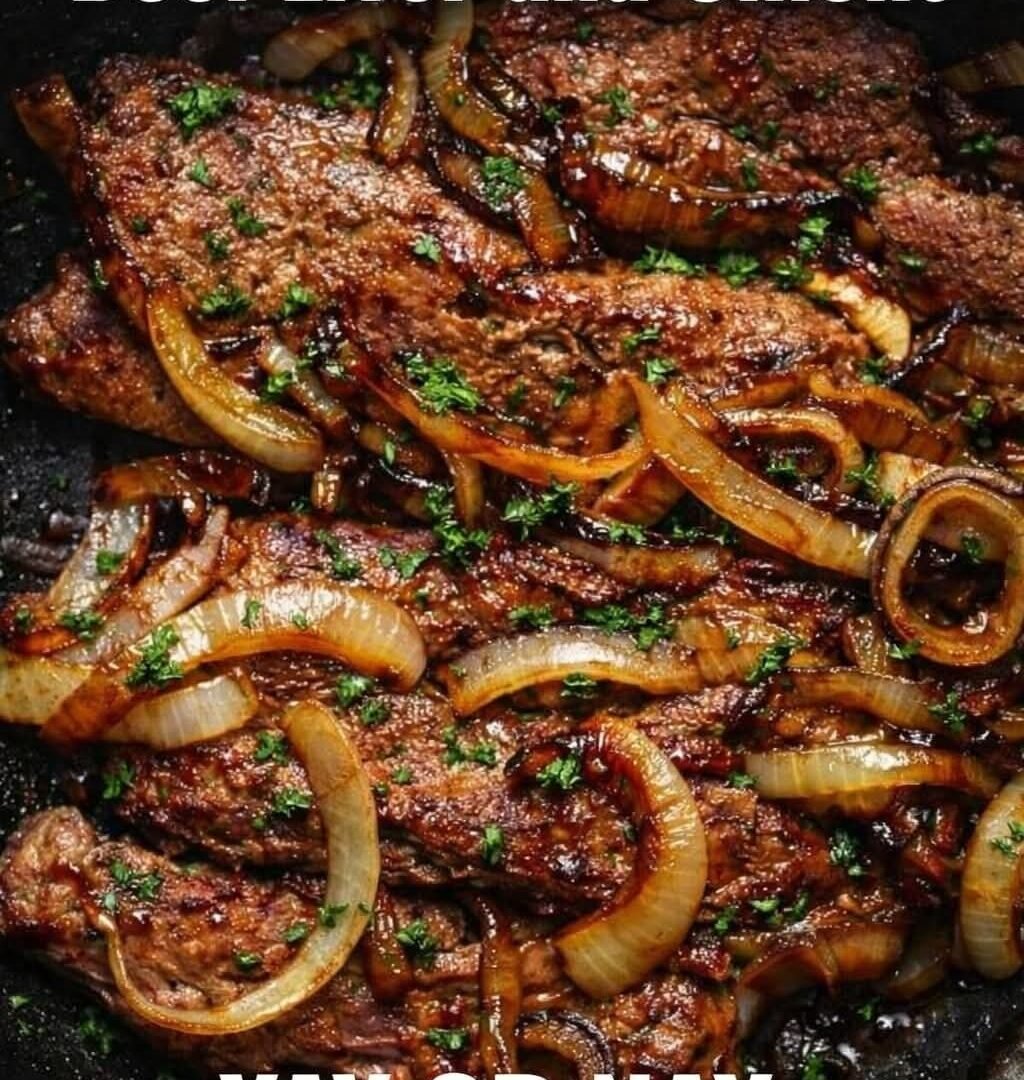
Caramelize the Onions: In a large skillet (cast iron is ideal), melt 2-3 tablespoons of butter over medium-low heat. Add the sliced onions and a pinch of salt. Cook slowly, stirring occasionally, for 25-30 minutes until they are deeply golden brown, soft, and sweet. If the pan gets dry, add a splash of water or broth. Transfer the cooked onions to a plate and set aside.
Dredge the Liver: Lightly coat each dried liver slice in the seasoned flour mixture, shaking off any excess.
Cook the Liver: Increase the heat to medium-high and add another 2 tablespoons of butter to the skillet. Once hot and foaming, add the liver slices. Do not overcrowd; cook in batches if necessary. Cook for 2-3 minutes per side for thin slices (¼-inch), or 3-4 minutes per side for thicker slices (½-inch). The liver should be browned on the outside but still slightly pink inside for optimal tenderness. Overcooking makes it tough and grainy. Transfer cooked liver to a clean plate.
Make the Pan Sauce: Reduce heat to medium. Add the beef broth (and balsamic vinegar or wine if using) to the hot skillet, scraping up all the delicious browned bits (fond) from the bottom with a wooden spoon. Let it simmer and reduce by about half, for 3-4 minutes. Stir in the remaining butter and fresh thyme until the butter melts and the sauce slightly thickens. Taste and adjust seasoning.
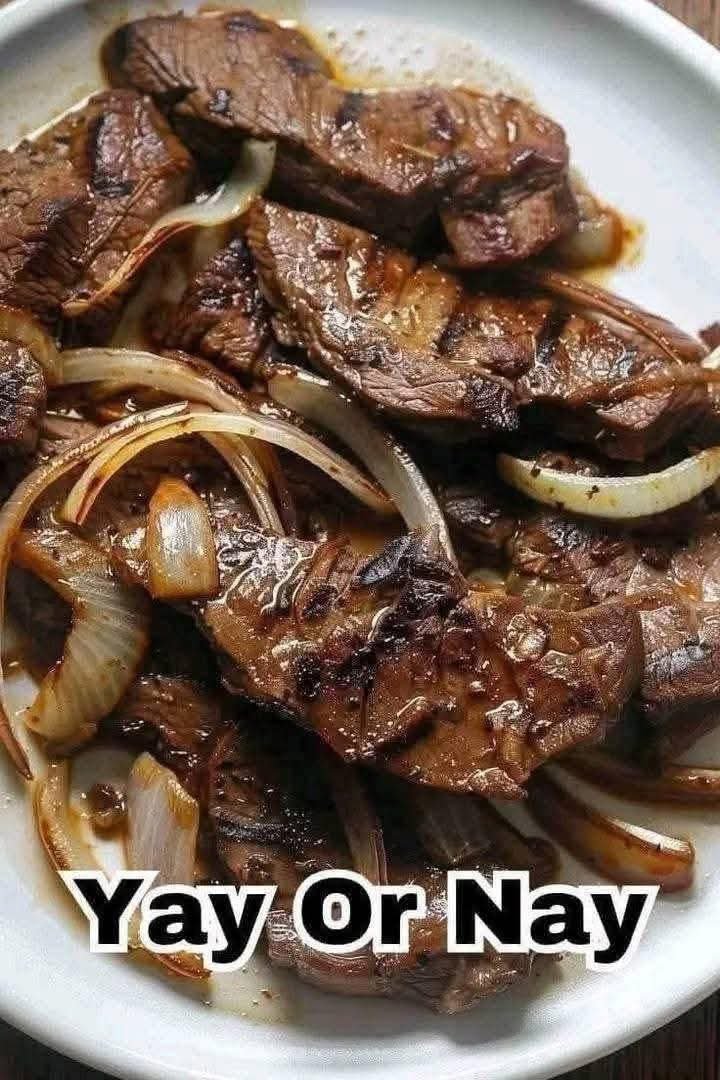
Combine and Serve: Return the caramelized onions to the skillet to warm through. Place the liver slices on a serving platter or individual plates, top generously with the onions, and spoon the pan sauce over everything.
Formation & Presentation
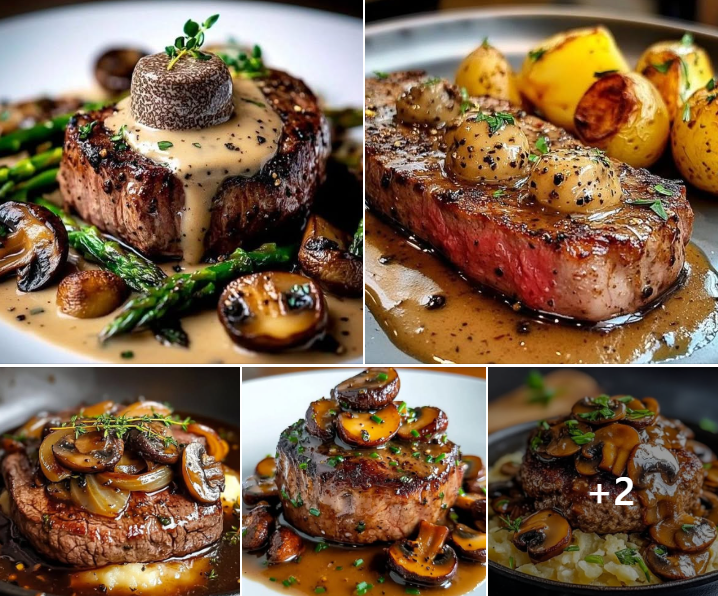
Serve immediately while hot. Traditional formation is straightforward: a bed of creamy mashed potatoes is classic, with the liver slices laid atop or beside, smothered in onions and sauce. Buttered egg noodles or a simple polenta also make excellent bases. For a modern twist, serve with a crisp green salad or roasted vegetables to cut through the richness. Garnish with a fresh sprig of thyme.
Benefits & Conclusion
Beef Liver and Onions is more than a meal; it’s a connection to our culinary past and a powerhouse for our health. Its benefits are unparalleled: it provides a dense concentration of essential vitamins and minerals often lacking in modern diets, supports energy metabolism, and is an excellent source of high-quality protein.
In conclusion, this dish is a testament to the beauty of simple, honest ingredients treated with respect. For the lovers, this recipe reaffirms their passion. For the skeptics, it offers a revelation—a tender, savory, and deeply satisfying experience that may just convert them. By mastering the methods of proper preparation and swift cooking, you unlock a world of flavor and nutrition that is both timeless and profoundly nourishing. So, gather your ingredients, take your time with the onions, and cook your liver with confidence. A classic awaits.