Of course! Here is a complete, detailed recipe package for what is undoubtedly Kopytka (Polish Potato Dumplings), a beloved comfort food. This format captures everything you requested.
Kopytka (pronounced ko-PIT-ka) are simple, satisfying potato dumplings, a cornerstone of Polish home cooking. Their name means “little hooves,” a charming reference to their traditional diamond or oval shape. This recipe comes from my Polish aunt, passed down through generations, and has become a treasured staple in my home. More than just food, they represent warmth, family, and the ingenious Polish knack for creating delicious sustenance from humble ingredients. They are the perfect blank canvas—comforting on their own with butter and onions, or as a hearty side to stews, roasts, or sauces.
History & Lore
Kopytka hail from the genre of kluski (dumplings) that are central to Polish and broader Slavic cuisine. Born out of frugality and necessity, they were a brilliant way to use up leftover mashed potatoes, ensuring no food went to waste. In peasant kitchens, they provided essential carbohydrates and energy for long working days. Over time, they moved from a practical leftover solution to a deliberate, beloved dish prepared for family dinners and festive occasions alike. Every Polish family has their own slight variation, making each batch a personal legacy.
Benefits & Why You’ll Love Them
· Comfort Food Supreme: Soft, pillowy, and warm, they are the definition of culinary comfort. · Incredibly Versatile: Serve as a side, main, sweet, or savory dish. · Economical & Zero-Waste: Perfect for using leftover mashed potatoes. · Family-Friendly: Kids love their mild flavor and fun shape. · Culinary Tradition: Connects you to centuries of Central European home cooking.
For the Lovers of…
· Italian Gnocchi: Kopytka are gnocchi’s Polish cousin—denser, heartier, and equally delicious. · Simple, Starchy Comfort: If you love mashed potatoes, pierogi, or fresh pasta, this is for you. · Versatile Sides: They happily soak up gravies, hold their own with fried onions, or cradle a creamy mushroom sauce.
The Recipe: Traditional Kopytka
Ingredients
(Serves 4-6)
· 500g (about 1.1 lbs) cooked, cooled potatoes (starchy types like Russets are best) · 250-300g (2 to 2 ½ cups) all-purpose flour, plus more for dusting · 1 large egg · 1 tsp salt · Pinch of pepper (optional)
· Calories: ~250 · Carbohydrates: 45g · Protein: 6g · Fat: 4g · Key Nutrients: Provides energy (carbs), some B vitamins from potatoes, and is low in sugar. Toppings like butter and bacon add fat and protein.
Formation & Methods
Step 1: Prepare the Potato Dough
Cook & Rice: Boil peeled potatoes in salted water until tender. Drain well and let them steam dry in the pot for a minute. Press them through a potato ricer or mash until completely smooth. Crucially, let them cool completely (spread on a plate). Warm potatoes make a sticky dough.
Combine: On a clean work surface, mound the cooled potatoes. Make a well in the center. Add the egg and salt (and pepper) into the well.
Knead: Start incorporating the potatoes into the egg with a fork. Gradually add the flour, starting with 250g. Gently knead until a soft, slightly sticky dough forms. Do not over-knead. Add only enough flour so the dough stops sticking to your hands. The less flour, the lighter the kopytka.
Step 2: Shape the Dumplings
Divide: Divide the dough into 4 parts. Roll one part into a long “snake,” about 2cm (¾ inch) thick.
Cut: On a lightly floured surface, cut the rope on a diagonal into 2-3cm (1-inch) pieces. This creates the classic diamond “hoof” shape.
Indent (Optional): You can gently press each dumpling with a floured fork to create ridges that hold sauce better.
Step 3: Cook the Kopytka
Boil: Bring a large pot of salted water to a gentle boil (not a rolling boil).
Cook in Batches: Carefully drop a batch of dumplings into the water. Stir gently to prevent sticking.
Know When They’re Done: They will float to the surface after 2-3 minutes. Let them cook for another 1-2 minutes once floating, then remove with a slotted spoon.
Drain Well: Place cooked kopytka in a colander or on a plate. You can toss them with a tiny bit of oil to prevent sticking while you cook the rest.
Step 4: The Classic Finish (Szczypiorek)
In a large skillet, melt the butter over medium heat.
Add the chopped onion and sauté until golden brown and fragrant, about 5-7 minutes.
Add the cooked, drained kopytka to the skillet. Gently toss and fry for 3-5 minutes until lightly golden in spots. Season with extra salt if needed.
Serving Suggestions & Variations
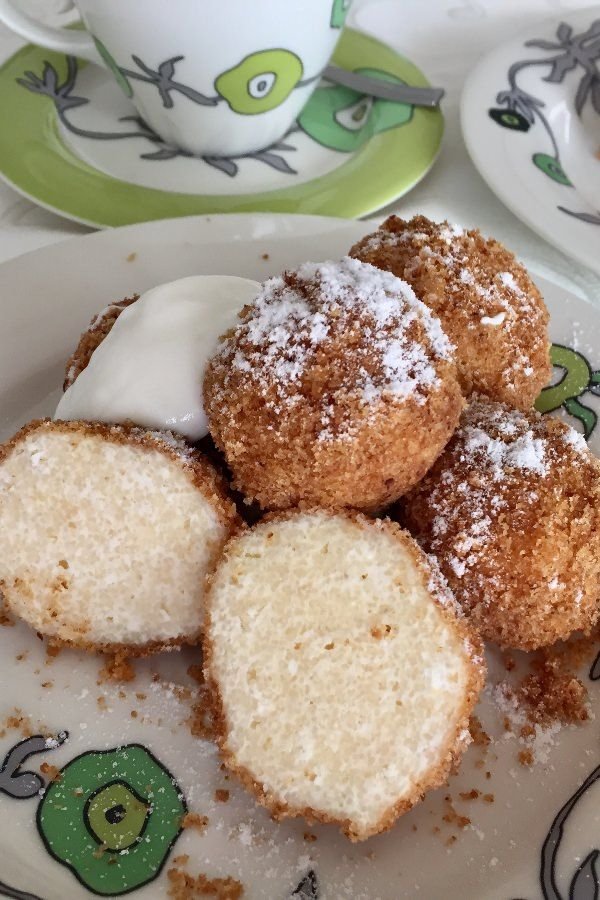
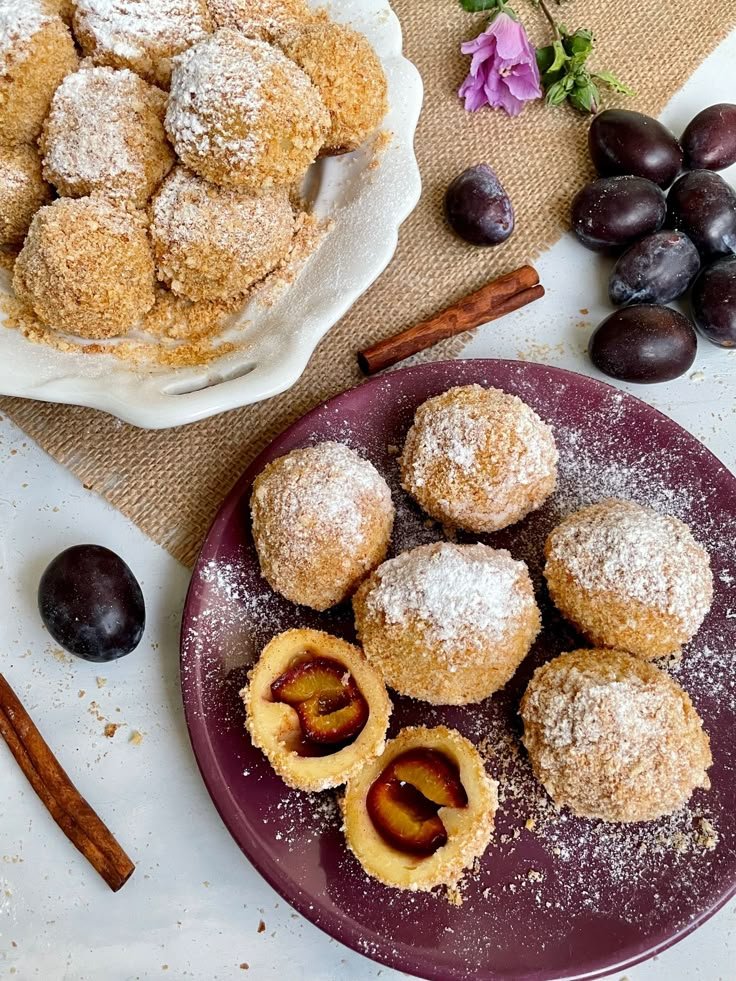
· Savory: Serve with Bigos (hunter’s stew), Gulasz, or a rich mushroom sauce. · Sweet: Serve topped with melted butter, fried breadcrumbs, and a dusting of powdered sugar or a drizzle of honey—a classic Polish dessert. · Modern Twist: Toss with pesto, sundried tomatoes, and Parmesan.
Conclusion
My aunt’s kopytka are more than just a recipe; they are a taste of memory, a lesson in resourcefulness, and a guaranteed crowd-pleaser. They prove that the most humble ingredients, treated with care and tradition, can yield something extraordinary. Whether you serve them smothered in golden onions for a weekday dinner or as a sweet treat on a Sunday, they bring a piece of Polish heartiness to any table.
A Final Note for Lovers of Good Food
For lovers of tactile cooking, of dishes that tell a story, and for anyone seeking a gateway into Polish cuisine, kopytka are your perfect start. They require no special equipment, just your hands and a little patience. The method is forgiving, the results are deeply rewarding, and the aroma of butter and onions frying will make your kitchen smell like a home filled with love. Smacznego! (Enjoy your meal!)