Absolutely! Here’s a full, detailed, “big recipe” version of your Baked Pączki (Polish Doughnuts) with all the sections you asked for—rich, warm, and perfect for sharing ❤️🍩
Pączki (pronounced POHNCH-kee) are rich, pillowy Polish doughnuts traditionally enjoyed before Lent, especially on Fat Thursday (Tłusty Czwartek) and Fat Tuesday. Unlike regular doughnuts, pączki are enriched with extra eggs, butter, and often a splash of alcohol, making them incredibly soft, tender, and flavorful.
This baked version keeps all the classic taste and texture while being lighter and less greasy than the deep-fried original—perfect for first-time pączki makers or anyone who prefers baking over frying.
🧈 Ingredients
For the Dough:
1 ½ cups warm milk (no warmer than 110°F / 43°C)
2 packets (¼ oz each) active dry yeast
½ cup granulated sugar
4 ounces (1 stick) unsalted butter, room temperature
1 large egg, room temperature
3 large egg yolks, room temperature
1 tablespoon brandy or rum (traditional, optional but recommended)
1 teaspoon salt
4½ to 5 cups all-purpose flour
For Finishing & Filling:
Granulated sugar (for rolling)
Confectioners’ sugar (for dusting)
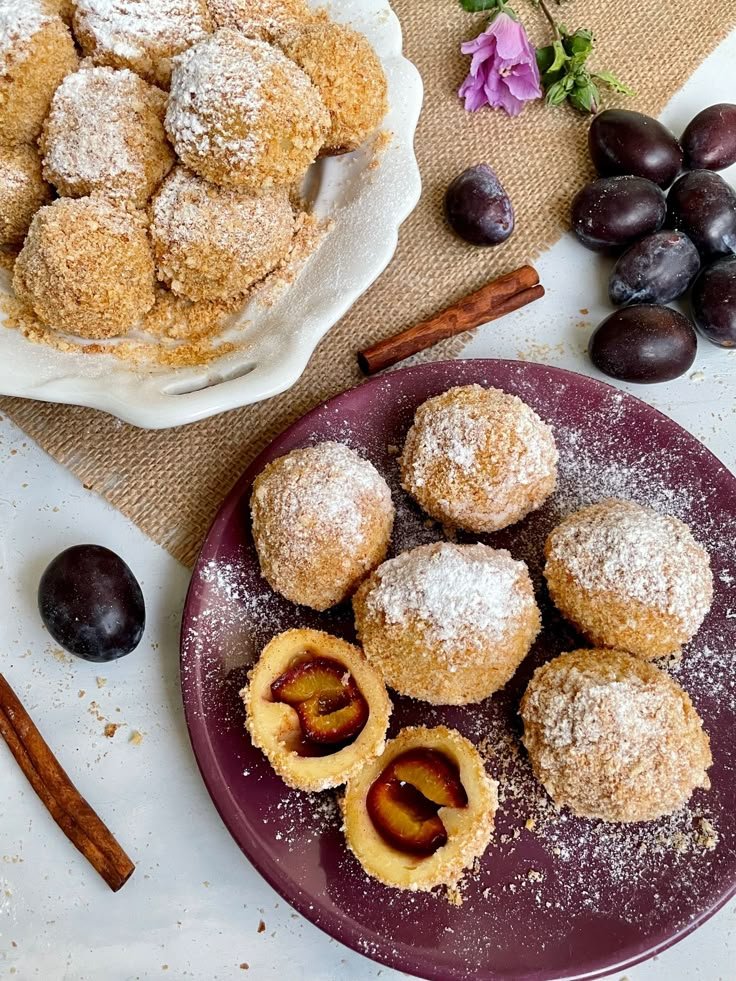
Jam or preserves (rosehip, raspberry, plum, strawberry, or apricot)
🥣 Instructions (Step-by-Step)
Proof the Yeast In a small bowl, combine warm milk and yeast. Stir gently and let sit for 5–10 minutes until foamy. This confirms the yeast is active.
Cream Butter and Sugar In a large bowl, beat the butter and sugar together until light and fluffy.
Add Eggs and Flavorings Beat in the whole egg, egg yolks, brandy (or rum), and salt until fully incorporated.
Form the Dough Add 4½ cups flour alternately with the yeast mixture. Beat until smooth. The dough should be very soft and slightly sticky. Add up to ½ cup more flour only if the dough is too runny.
First Rise Transfer dough to a greased bowl, cover, and let rise in a warm place until doubled (1–2½ hours).
Second Rise Punch down the dough, cover again, and let rise until puffy.
Shape the Pączki Roll dough on a lightly floured surface to ½–¾ inch thick. Cut into 3-inch rounds. Re-roll scraps as needed.
Final Proof Place rounds on parchment-lined baking sheets, cover, and let rise until doubled (30–45 minutes).
Bake Preheat oven to 375°F (190°C). Bake for 10 minutes or until lightly golden and a toothpick comes out clean.
Coat the Doughnuts Roll hot pączki in granulated sugar, or let cool and dust with confectioners’ sugar.
Fill the Pączki Once completely cool, cut a small slit in the side and spoon or pipe in about 1 teaspoon of jam.
Serve & Enjoy Finish with a final dusting of sugar if desired.
🍰 Methods Explained
Baking Method (Modern & Lighter)
Healthier alternative to frying
Less mess and easier cleanup
Still soft and rich due to egg yolks and butter
Traditional Filling Method
Jam is added after baking, not before
Keeps the dough from leaking or collapsing
📜 History of Pączki
Pączki date back to medieval Poland, where they were originally savory and filled with meat or fat. By the 16th century, sugar and fruit preserves transformed them into the sweet treat we know today.
Traditionally eaten before Lent, pączki symbolized indulgence and prosperity. Polish superstition says if you don’t eat at least one pączek on Fat Thursday, you’ll have bad luck all year!
🧁 Formation & Texture
Rich dough from extra yolks
Alcohol prevents excessive gluten development, creating a tender crumb
Soft interior with a light, golden crust
Perfect balance between bread and pastry
❤️ Why Everyone Loves Pączki
Ultra-soft and fluffy
Not overly sweet
Customizable fillings
Perfect for holidays, family gatherings, or special breakfasts
A beautiful blend of tradition and comfort food
🌸 Conclusion
These Baked Pączki capture the soul of a beloved Polish tradition while fitting beautifully into modern kitchens. Whether dusted with sugar or bursting with jam, they’re guaranteed to impress and bring warmth to your table.
Once you make them, they won’t be “first time” for long—this recipe becomes a tradition of its own 🍩✨