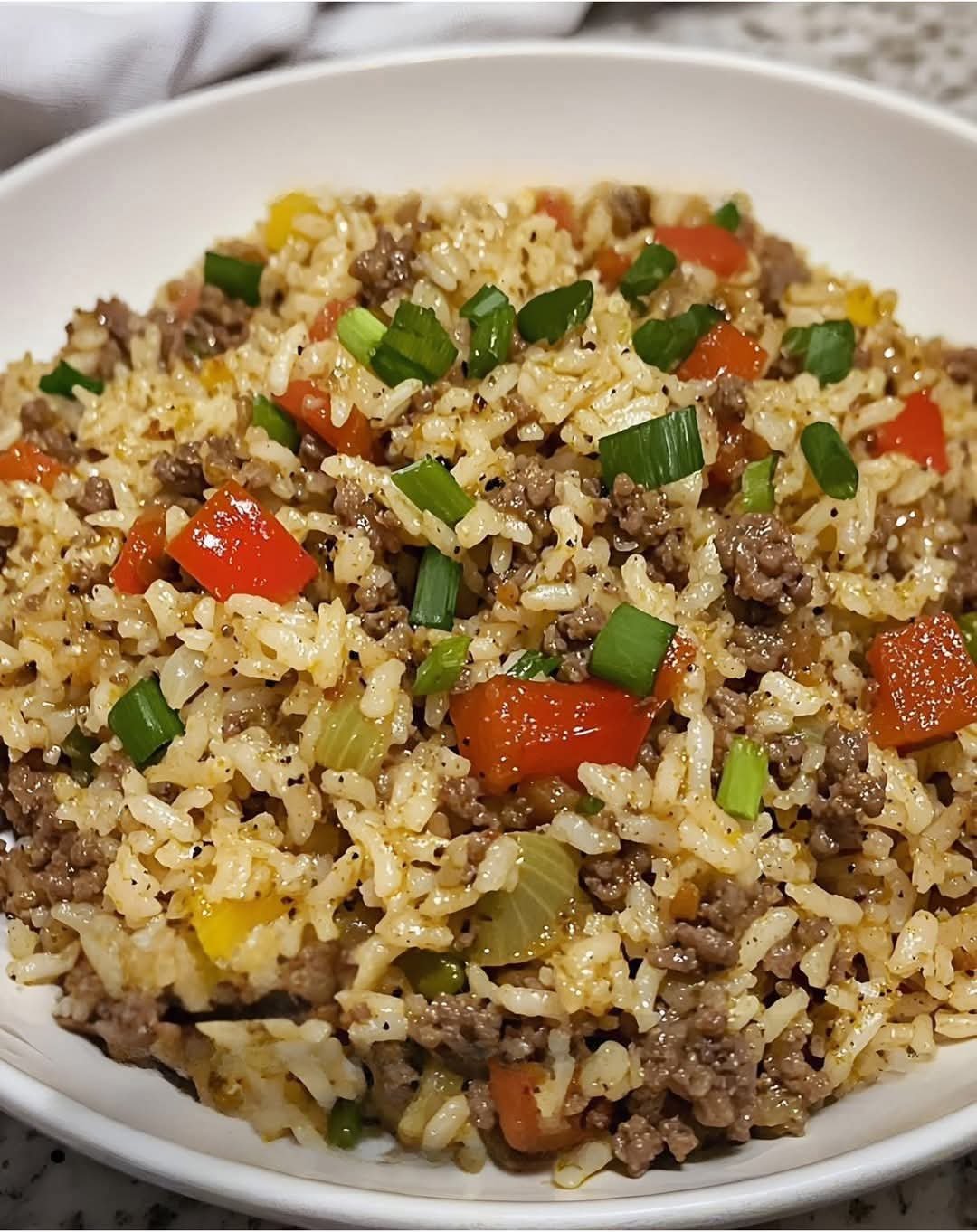
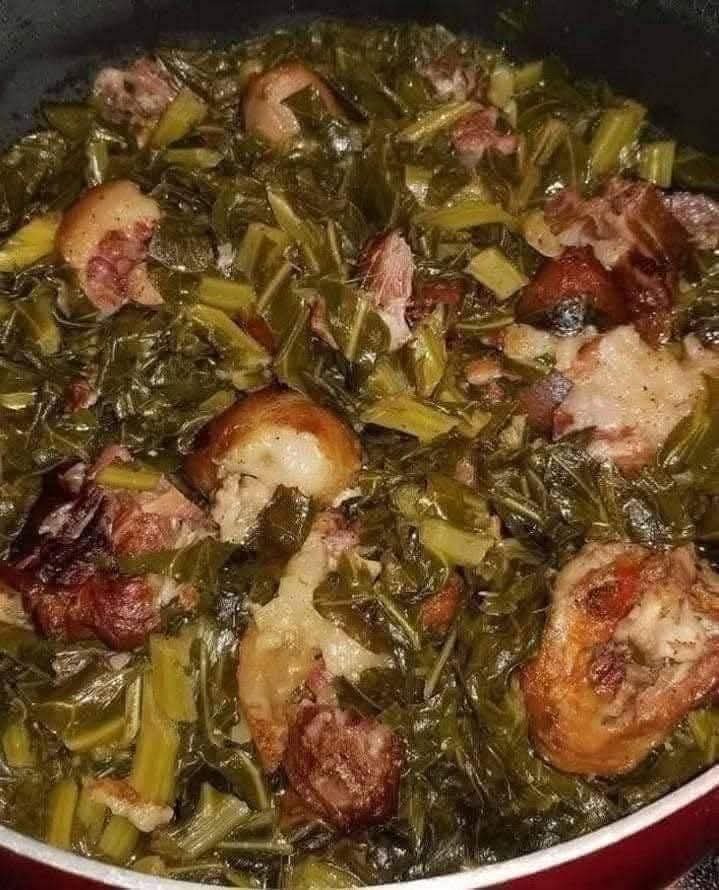
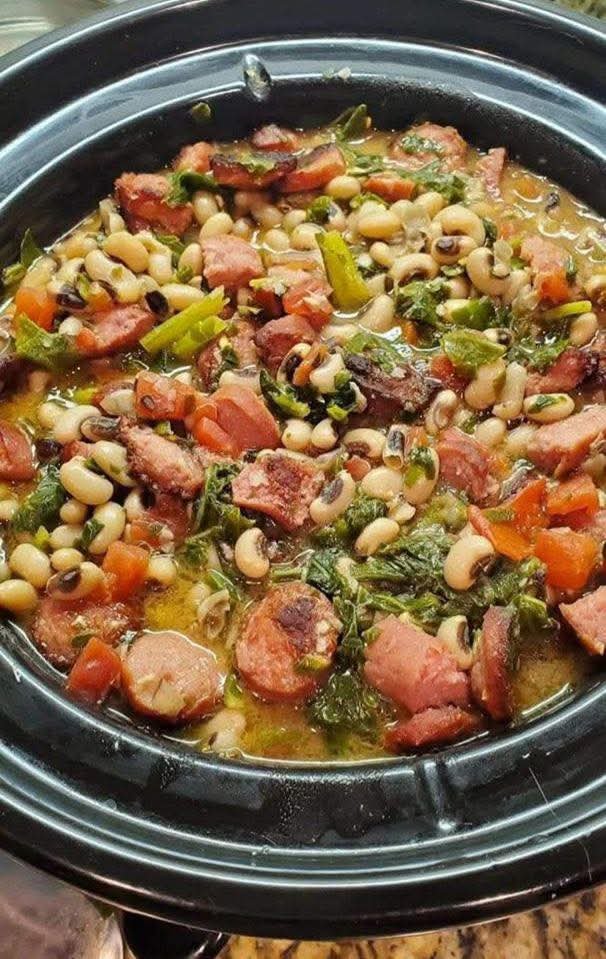
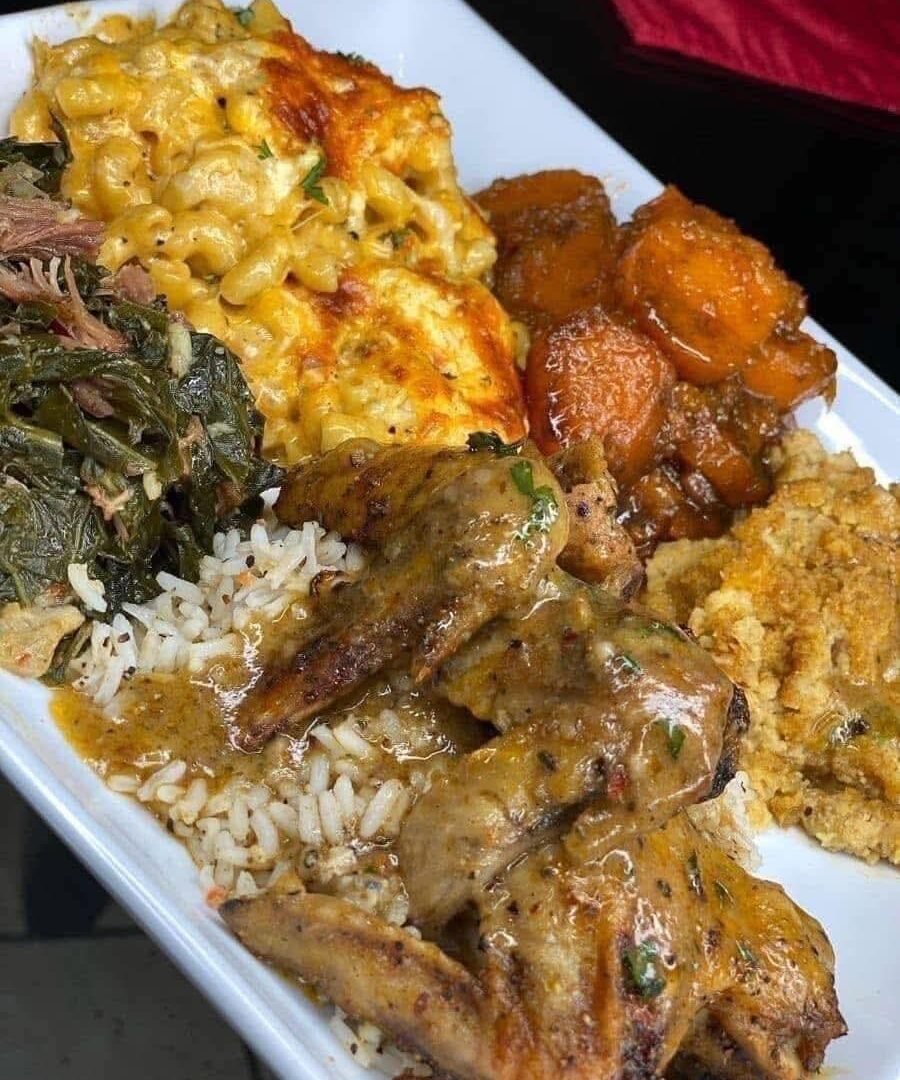
Of course! Here is a comprehensive, big recipe for Collard Greens and Cornbread, complete with all the elements you requested.
A Soul Food Symphony: Collard Greens and Cornbread
This meal is more than just food; it’s a cornerstone of Southern and soul food cuisine, representing history, resilience, and comfort in every bite. The hearty, savory, and slightly bitter collard greens, slowly cooked until meltingly tender (“potlikker” and all), find their perfect partner in a square of sweet, crumbly, golden cornbread. Together, they create a harmony that nourishes both body and soul.
Part 1: Soulful Slow-Cooked Collard Greens
History & Significance: Collard greens have their origins in the ancient world but became a staple in the American South through the transatlantic slave trade. Enslaved Africans cultivated greens similar to those from home, creating dishes rich in nutrients. The “potlikker”—the nutrient-packed broth left after cooking—was cherished. Eating collard greens on New Year’s Day is believed to bring prosperity and wealth (the greens symbolizing dollar bills).
Health Benefits: Collard greens are a nutritional powerhouse. They are exceptionally high in Vitamins K, A, and C, calcium, iron, and fiber. They contain antioxidants and compounds that may support digestion, bone health, and detoxification.
Ingredients:
· 2 pounds fresh collard greens, washed, stems removed, and chopped · 4 cups chicken broth (or vegetable broth for a vegetarian version) · 4 slices thick-cut bacon, chopped (or 1 smoked ham hock for authentic flavor) · 1 small onion, diced · 4 cloves garlic, minced · 1 tablespoon apple cider vinegar · 1 teaspoon smoked paprika · ½ teaspoon red pepper flakes (optional, for heat) · 1 tablespoon granulated sugar (to balance bitterness) · Salt and freshly ground black pepper to taste
Method & Instructions:
Prep the Greens: Wash the collard greens thoroughly in a sink of cold water to remove any grit. Stack the leaves, fold them in half lengthwise, and use a knife to cut out the thick central stem. Roughly chop the leaves into 2-inch pieces.
Render the Pork: In a large, heavy pot or Dutch oven over medium heat, cook the chopped bacon until crispy. Remove the bacon with a slotted spoon and set aside, leaving the rendered fat in the pot.
Sauté the Aromatics: Add the diced onion to the pot and cook in the bacon fat until softened (about 5 minutes). Add the minced garlic and cook for 1 more minute until fragrant.
Braise the Greens: Add the chopped collards to the pot in large handfuls, stirring slightly to wilt. Pour in the chicken broth, apple cider vinegar, smoked paprika, red pepper flakes, and sugar. Bring to a boil.
Slow Cook: Reduce the heat to low, cover the pot, and let the greens simmer gently for at least 1.5 to 2 hours. Stir occasionally. The greens are done when they are very tender and the broth (now “potlikker”) is deeply flavored. In the last 30 minutes, add the cooked bacon back in. Season generously with salt and pepper.
Part 2: Sweet & Buttery Southern Cornbread
Formation & History: Cornbread’s roots are truly Native American, originating from simple mixtures of ground corn and water. European settlers adapted it, adding milk, eggs, and leavening. In the South, cornbread was traditionally made with white cornmeal and no sugar, cooked in a screaming-hot cast-iron skillet to create a crispy crust. The slightly sweet, cake-like version has become beloved nationwide.
Ingredients:
· 1 ½ cups fine yellow cornmeal · 1 cup all-purpose flour · ⅔ cup granulated sugar · 1 tablespoon baking powder · 1 teaspoon salt · ⅓ cup neutral oil (like vegetable or canola), plus more for the skillet · ⅓ cup melted butter · 2 large eggs, beaten · 1 ¼ cups buttermilk (or whole milk)
Method & Instructions:
Prep the Skillet: Place a 9-inch or 10-inch cast-iron skillet in the oven and preheat it to 400°F (200°C). The skillet must be screaming hot.
Mix Dry Ingredients: In a large bowl, whisk together the cornmeal, flour, sugar, baking powder, and salt.
Mix Wet Ingredients: In another bowl, whisk the oil, melted butter, beaten eggs, and buttermilk until combined.
Combine: Pour the wet ingredients into the dry ingredients. Stir with a wooden spoon just until combined. Do not overmix; a few lumps are perfect.
Bake: Carefully remove the hot skillet from the oven. Add a tablespoon of oil and swirl to coat. Immediately pour in the batter—it should sizzle. Smooth the top. Bake for 20-25 minutes, until the top is golden brown and a toothpick inserted in the center comes out clean.
Serve: Let cool in the skillet for 10 minutes before slicing into wedges or squares.
Nutritional Synopsis (Per Serving, Approx.):
· Collard Greens (1 cup): Rich in Vitamins K, A, C; ~50 calories, 4g fiber, 3g protein. · Cornbread (1/8th recipe): Provides energy and folate; ~300 calories, 5g protein, 12g fat (varies). · The Meal: A balanced combination of complex carbohydrates, fiber, healthy fats, and plant-based protein. Opt for low-sodium broth and less sugar to tailor to dietary needs.
For the Lovers of This Dish:
This meal is for the comfort-seekers, the history holders, and the flavor champions. It’s for:
· The Traditionalist: Who uses a ham hock and saves the potlikker for “soppin’.” · The Innovator: Who might add smoked turkey, a dash of hot sauce, or jalapeños to the cornbread. · The Gatherer: This is food meant to be shared at large family tables, church suppers, and holiday gatherings. · The Newcomer: Anyone seeking a deeply satisfying, hands-on cooking experience that yields incredible reward.
Conclusion
Collard Greens and Cornbread is a timeless testament to how simple ingredients, when treated with care and respect, can transform into something profound. It’s a dish that carries stories in its leaves and history in its crumbs. From the slow, meditative process of cleaning and chopping the greens to the dramatic sizzle of cornbread batter hitting a hot skillet, making this meal is a ritual. To sit down with a plate, crumble that cornbread into the potlikker, and take a bite is to experience a fundamental, enduring, and deeply delicious piece of culinary heritage. It is, quite simply, love on a plate.