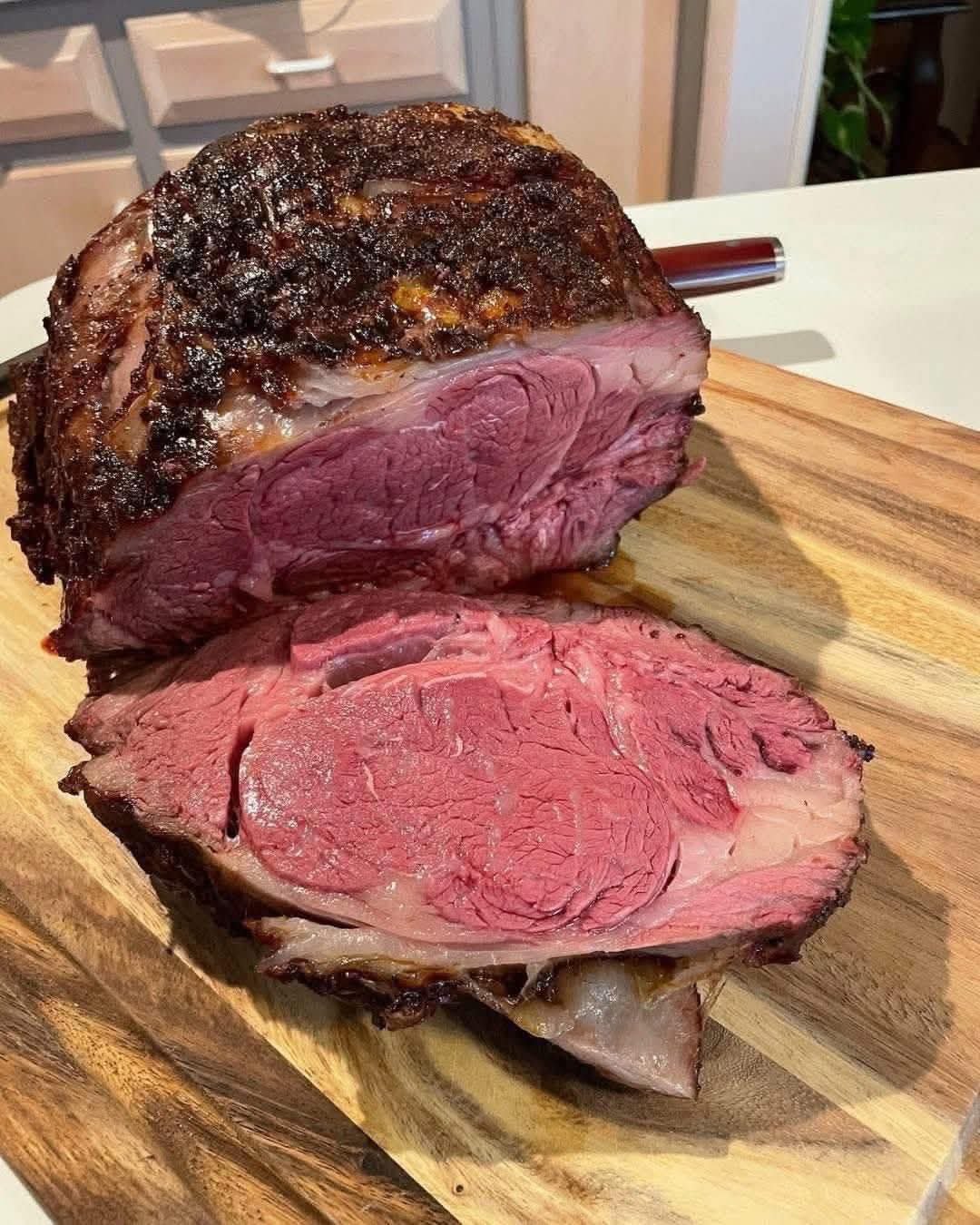
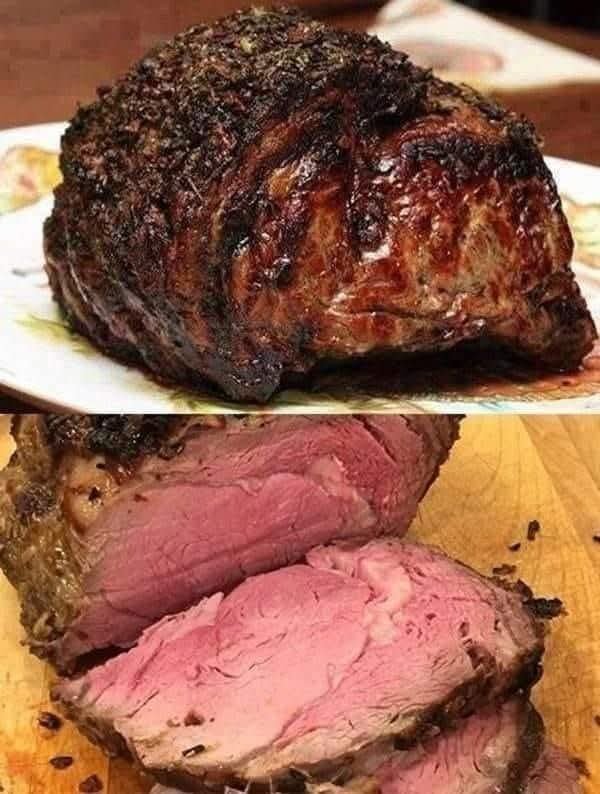
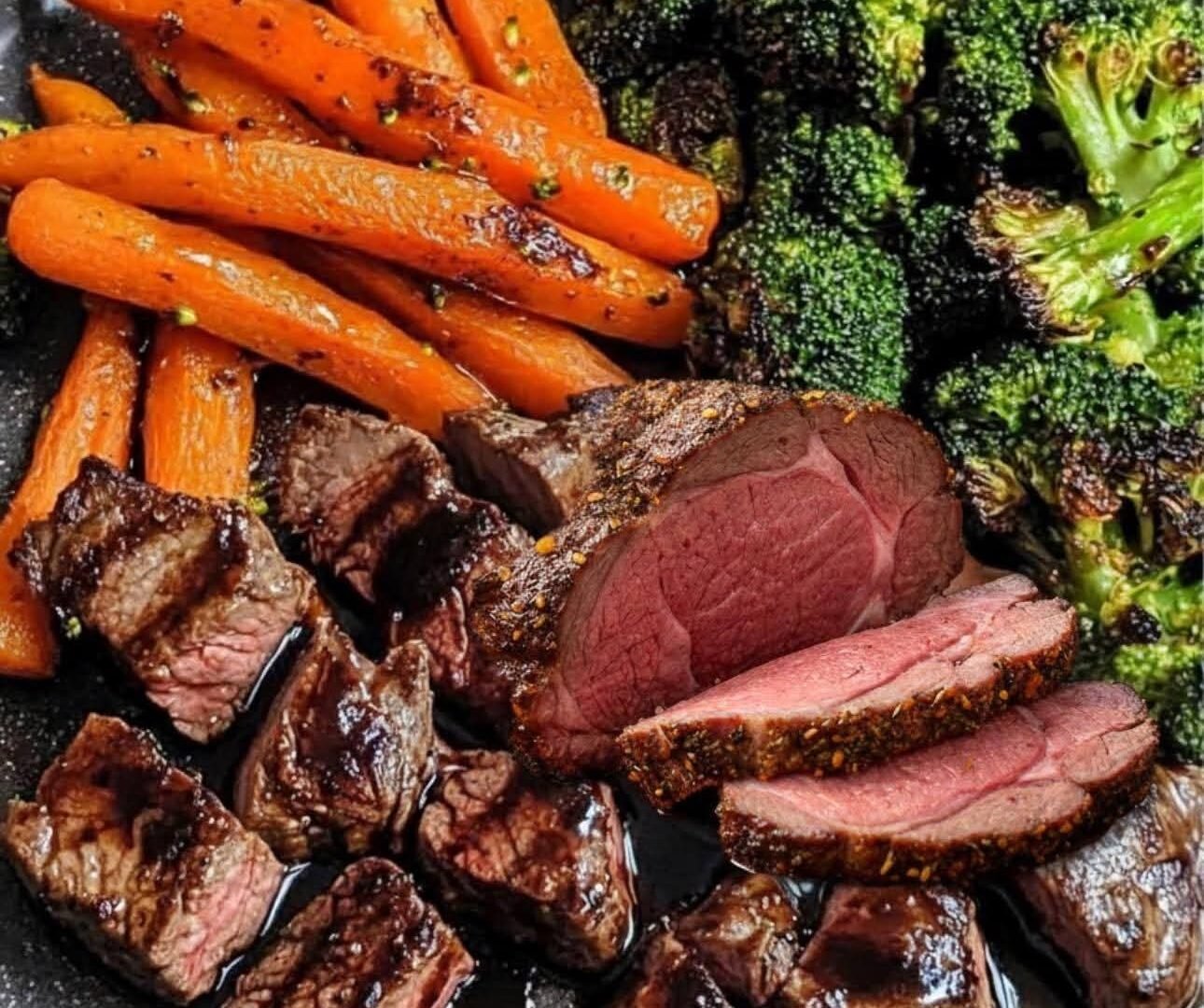
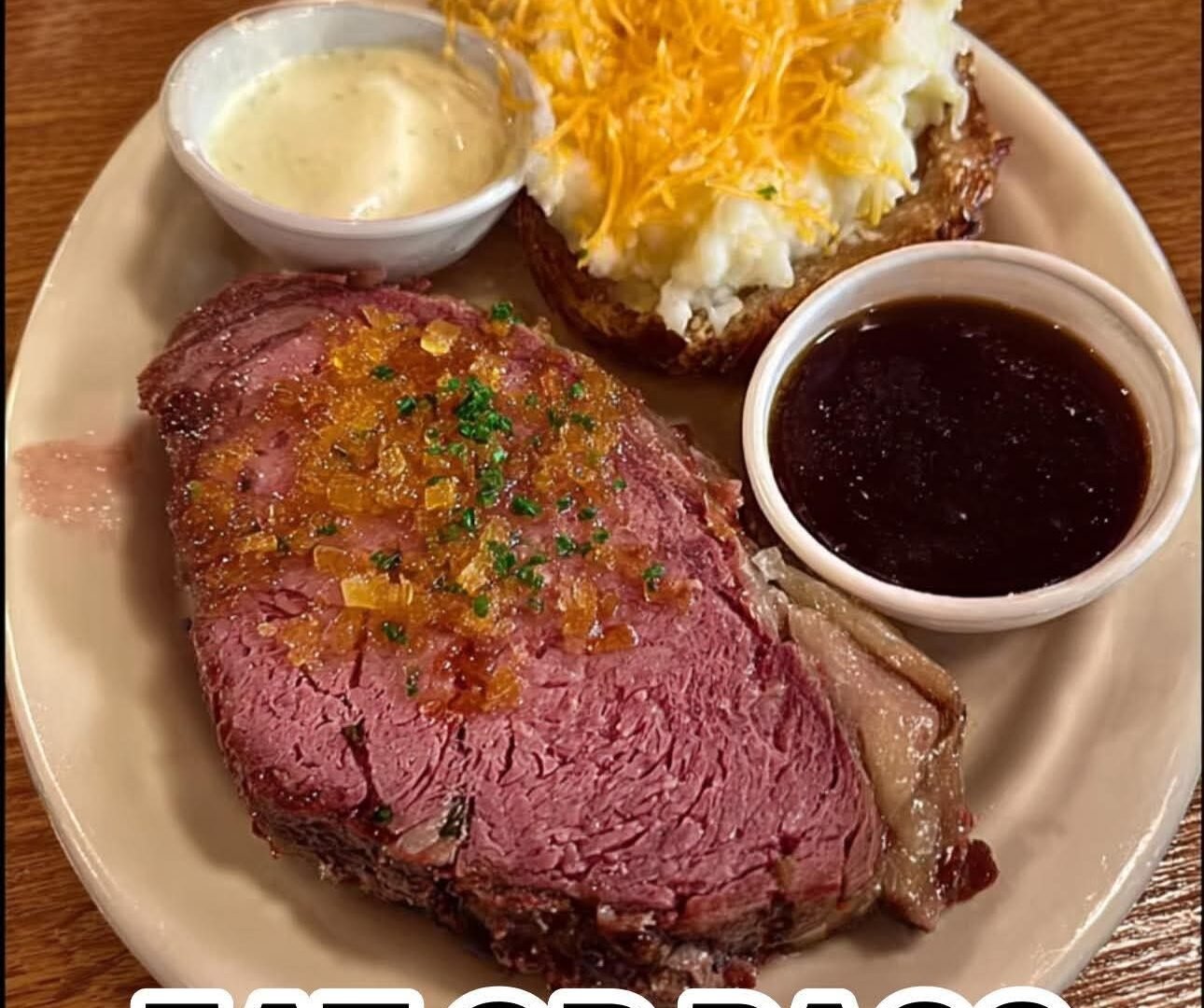
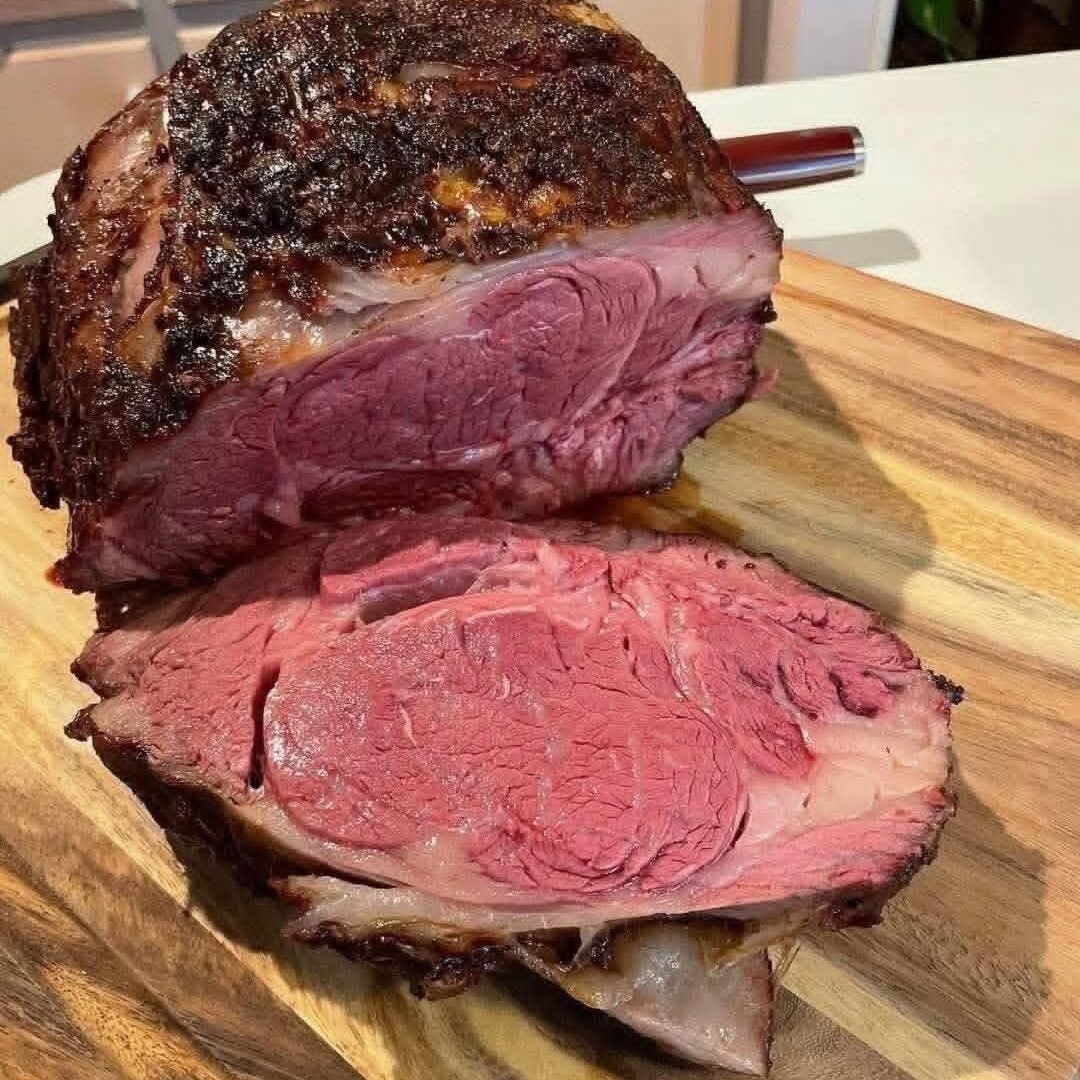
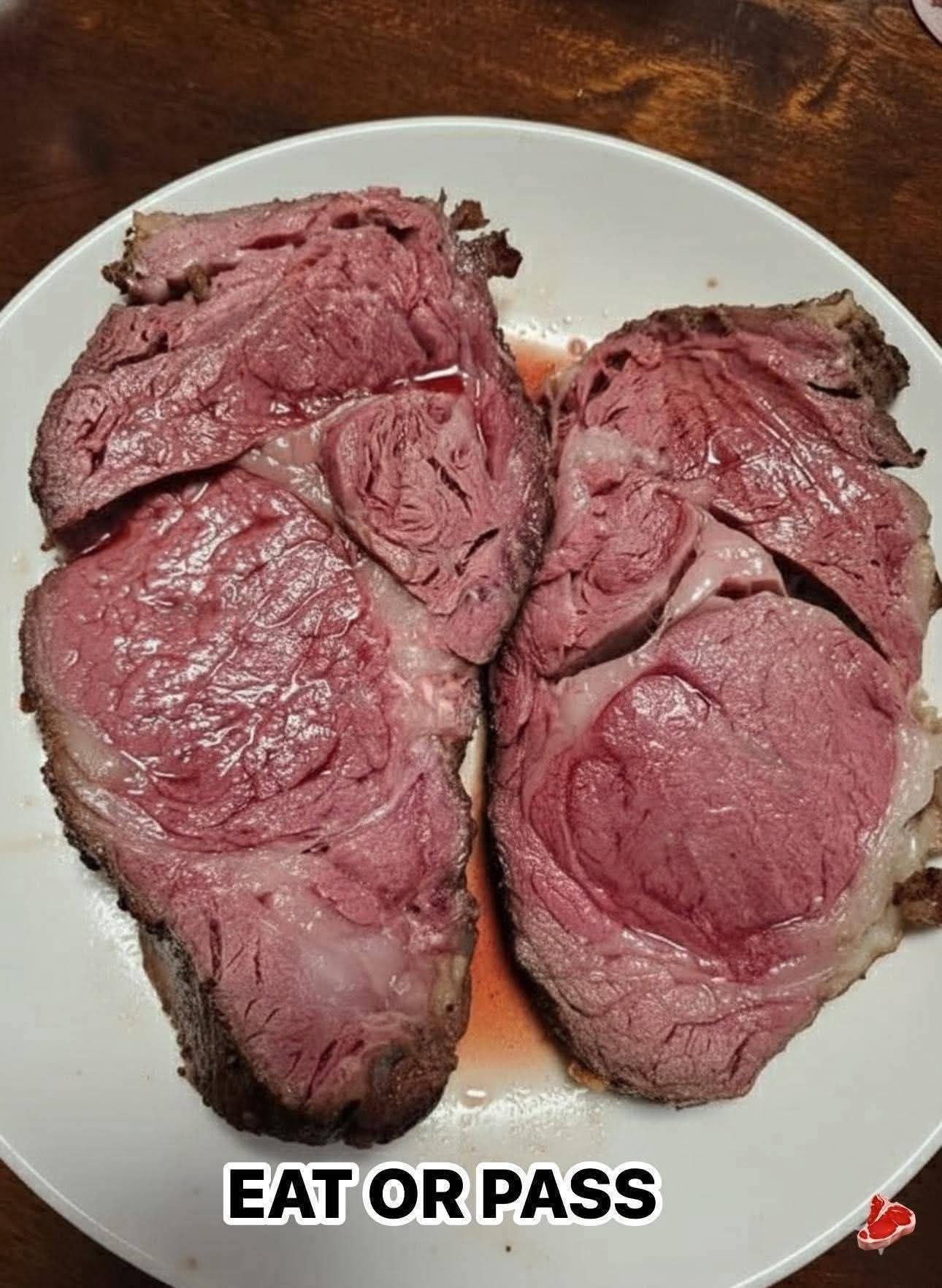
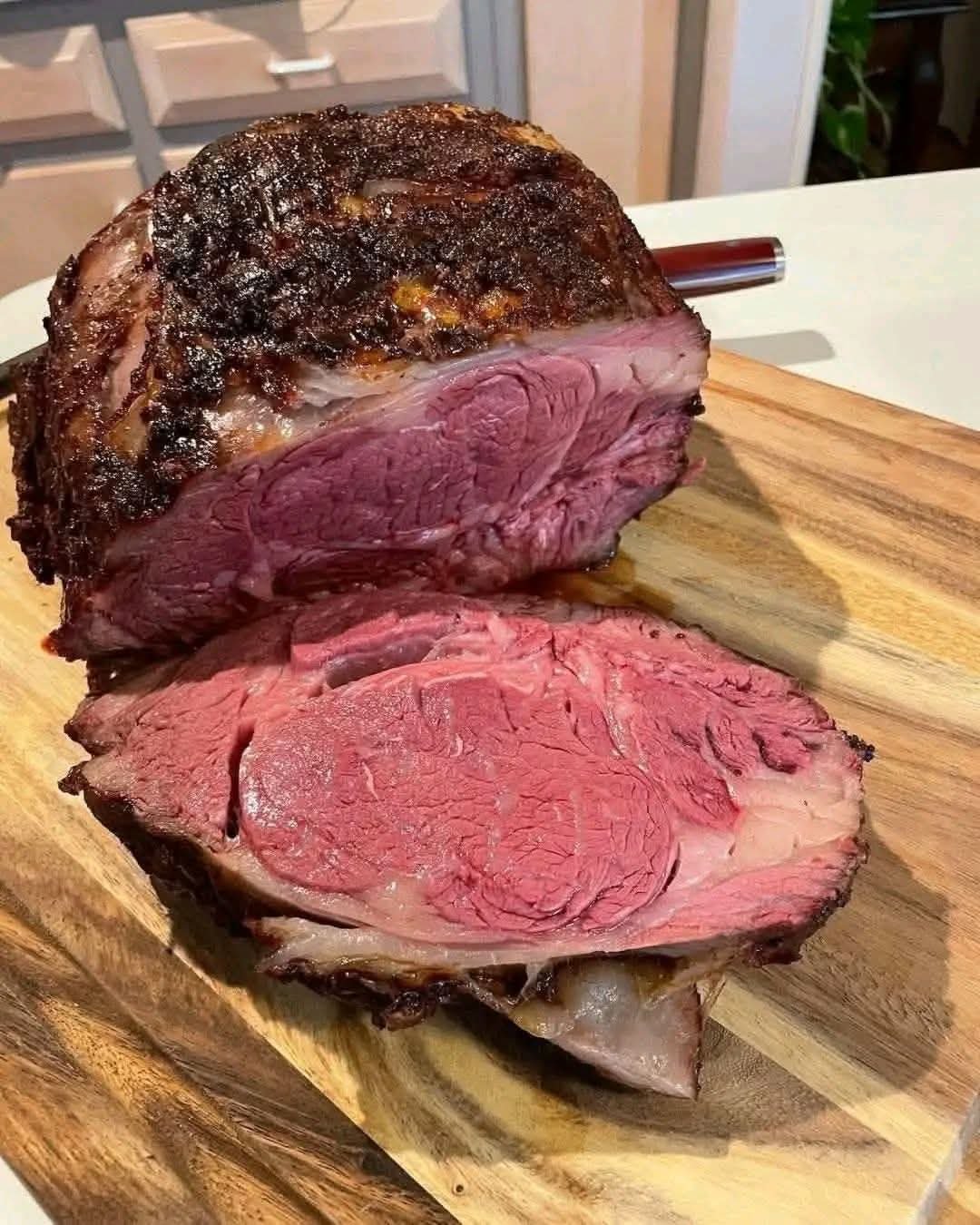
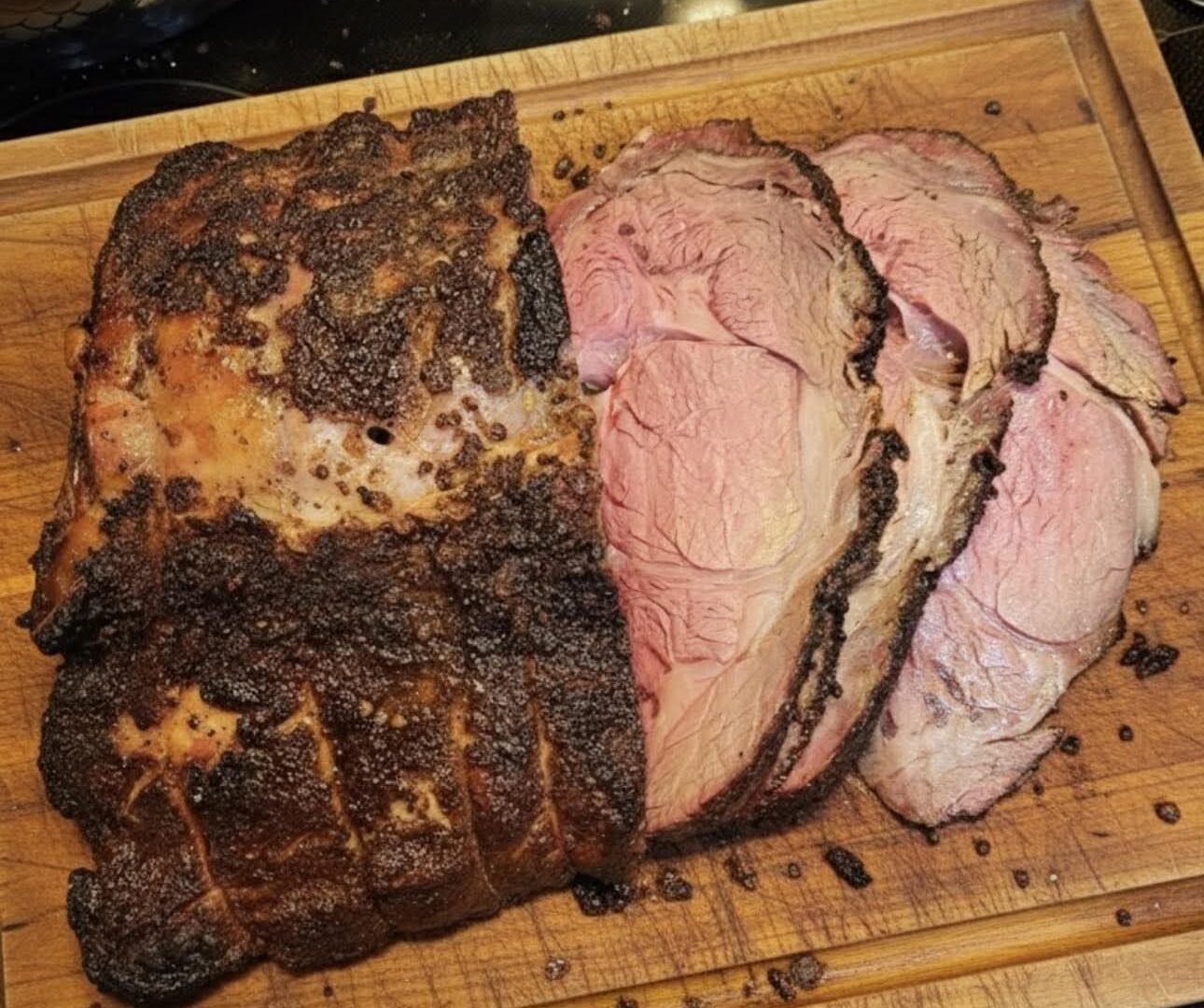
Prime Rib Roast is more than just a meal—it’s a centerpiece, a celebration, and a timeless symbol of indulgence and culinary mastery. Known for its succulent, buttery texture and deep, beefy flavor, this roast is the star of holidays, special occasions, and gourmet dinners. Cooking a prime rib is a ritual that combines simplicity with grandeur, requiring patience and technique to achieve that perfect rosy interior and a savory, herb-crusted exterior. This guide will take you through everything from its rich history to the step-by-step art of roasting, ensuring you create a memorable masterpiece.
Historical Roots
The prime rib cut comes from the primal rib section of beef, a region prized for its marbling and tenderness since ancient times. In medieval England, large joints of beef roasted over open fires were a sign of wealth and hospitality, often served in grand halls. The term “standing rib roast” refers to the traditional method of roasting the ribs “standing” on their bones, which acts as a natural rack. This method traveled to America with colonists and became a centerpiece of festive dining, especially for Christmas and Sunday dinners. Its enduring popularity speaks to its unparalleled flavor and status.
Ingredient Breakdown (Serves 4–6)
Main Component:
· 1 prime rib roast (bone-in), about 4–5 lbs (2–2.5 kg) – preferably with 2–3 ribs
Herb Crust & Seasoning:
· 4 cloves garlic, minced · 3 tbsp fresh rosemary, finely chopped · 3 tbsp fresh thyme, finely chopped · 2 tbsp coarse sea salt or kosher salt · 1 tbsp freshly cracked black pepper · 2 tbsp olive oil or softened unsalted butter
For the Pan & Serving:
· 2 large onions, roughly chopped · 3 carrots, roughly chopped · 3 stalks celery, roughly chopped · 1 cup red wine (Cabernet or Merlot) or beef broth, for deglazing · 2 tbsp all-purpose flour (for gravy, optional) · Fresh horseradish or creamy horseradish sauce, for serving · Au jus or red wine reduction, for serving
· Calories: 450–550 kcal · Protein: 40–45 g · Fat: 30–35 g (with marbling) · Iron: 15% DV · Zinc: 40% DV · Vitamin B12: 150% DV · Selenium: 35% DV
Health Benefits:
· High-Quality Protein: Essential for muscle repair and immune function. · Rich in B Vitamins: Especially B12, crucial for energy metabolism and nerve health. · Mineral-Dense: Provides heme iron (easily absorbed) and zinc for immunity. · Contains CLA: Conjugated linoleic acid in grass-fed beef may support heart health.
Enjoy in moderation as part of a balanced diet.
Formation & Butchery Notes
A prime rib roast is cut from the 6th to 12th ribs of the beef rib primal. The “prime” refers to the grade (USDA Prime indicates superior marbling), but choice grade is also excellent. For best results:
· Bone-In vs. Boneless: Bone-in roasts offer more flavor and even cooking (bones act as a heat buffer). · Fat Cap: Leave a ¼-inch layer to baste the meat during roasting. · Butcher’s Tie: Ask your butcher to trim the chine bone for easier carving, and tie the roast securely to maintain shape.
Method: The Reverse Sear Technique (Foolproof & Perfect)
Step 1: Preparation & Seasoning (Day Before)
Pat the roast dry with paper towels. Let it sit at room temperature for 1 hour before seasoning.
In a bowl, mix minced garlic, rosemary, thyme, salt, pepper, and olive oil into a paste.
Rub the paste generously over the entire roast, including between the bones if possible.
Place the roast on a rack over a baking sheet, uncovered, in the refrigerator overnight. This dry-brine enhances flavor and promotes a better crust.
Step 2: Roasting
Preheat Oven: Set to 250°F (120°C). Low and slow is key.
Vegetable Base: Scatter onions, carrots, and celery in a roasting pan. Place the roast on top, fat side up.
Roast: Insert a meat probe into the thickest part (avoiding bone). Roast until internal temperature reaches 120°F (49°C) for medium-rare (about 20–25 minutes per pound). This can take 3–4 hours.
Rest: Remove roast, tent loosely with foil, and let rest for 30–40 minutes. Temperature will rise to 130–135°F (54–57°C).
Step 3: The High-Heat Finish
Increase oven temperature to 500°F (260°C).
Return the rested roast to the hot oven for 8–12 minutes until the crust is dark and crispy.
Remove and let rest again for 10 minutes before carving.
Step 4: Au Jus & Gravy
Place the roasting pan with vegetables on the stovetop over medium heat.
Deglaze with red wine or beef broth, scraping up browned bits.
Simmer, strain, and season for a simple au jus.
For gravy, sprinkle flour into the pan, cook for 1 minute, then whisk in 2 cups of broth until thickened.
Step 5: Carving
Slice along the bone to remove the ribs, then cut perpendicular into ½–¾ inch thick slices.
Serve with au jus, horseradish sauce, and sides like Yorkshire pudding, roasted potatoes, or creamed spinach.
Why Prime Rib Lovers Are Devoted
Prime rib enthusiasts cherish it for:
· The Ritual: The anticipation of slow roasting fills the home with an irresistible aroma. · The Texture: A perfect medium-rare slice is tender enough to cut with a fork. · The Versatility: Leftovers make legendary sandwiches, hash, or beef barley soup. · The Celebration: It transforms a meal into an event, bringing people together around a shared, luxurious experience.
Conclusion
Prime rib roast is the ultimate expression of beef’s potential—a cut that commands respect and delivers profound satisfaction. From its historical significance to its nutritional benefits and spectacular presentation, it embodies the art of roasting. By using the reverse sear method, you ensure a consistently juicy interior with a flavorful crust. Whether for a holiday feast or a gourmet weekend dinner, mastering the prime rib is a culinary achievement that will earn you praise and create lasting memories. So light the oven, gather your loved ones, and enjoy the regal delight of a perfectly cooked prime rib. 🥩✨
“Prime rib isn’t just dinner; it’s a delicious event.”