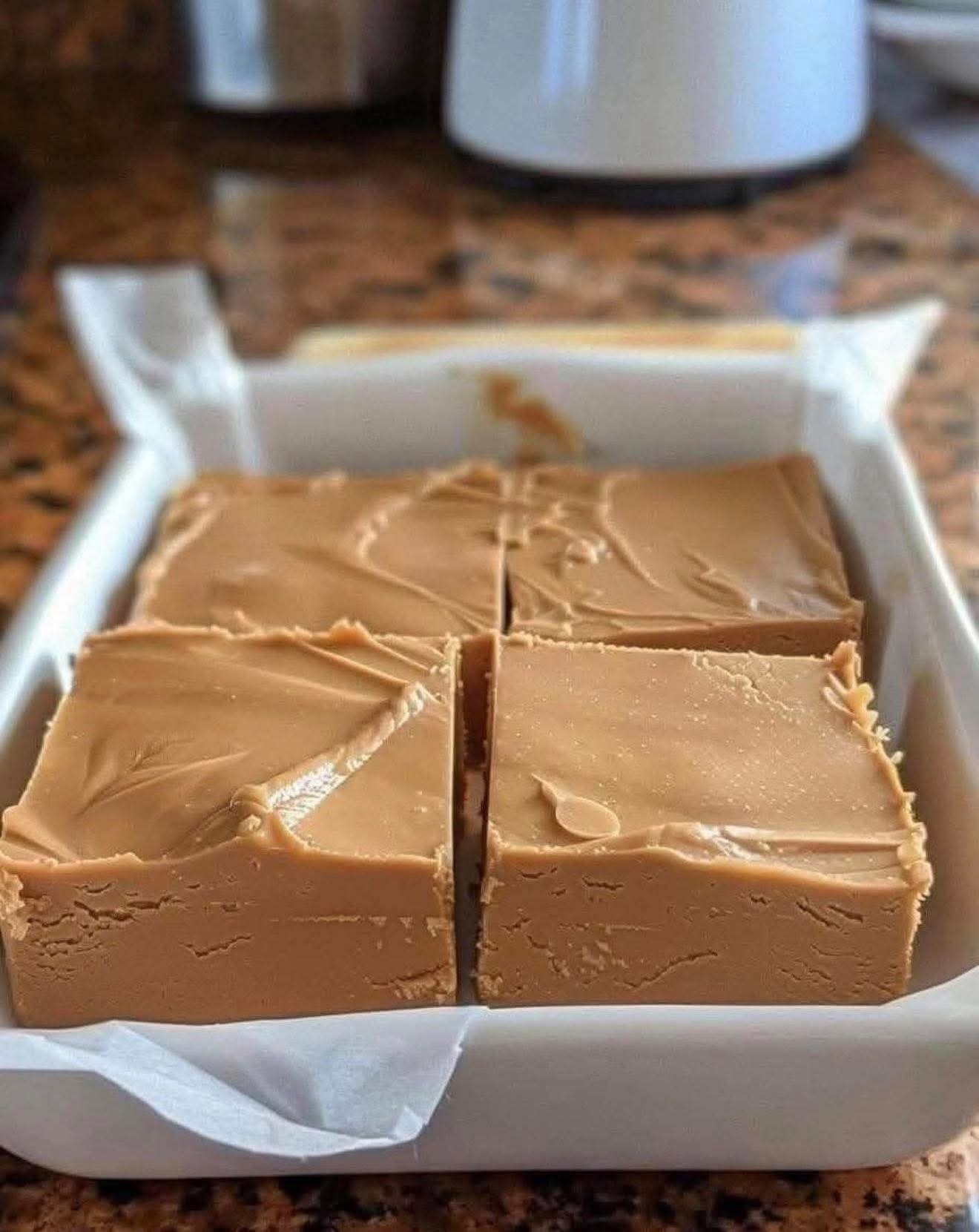
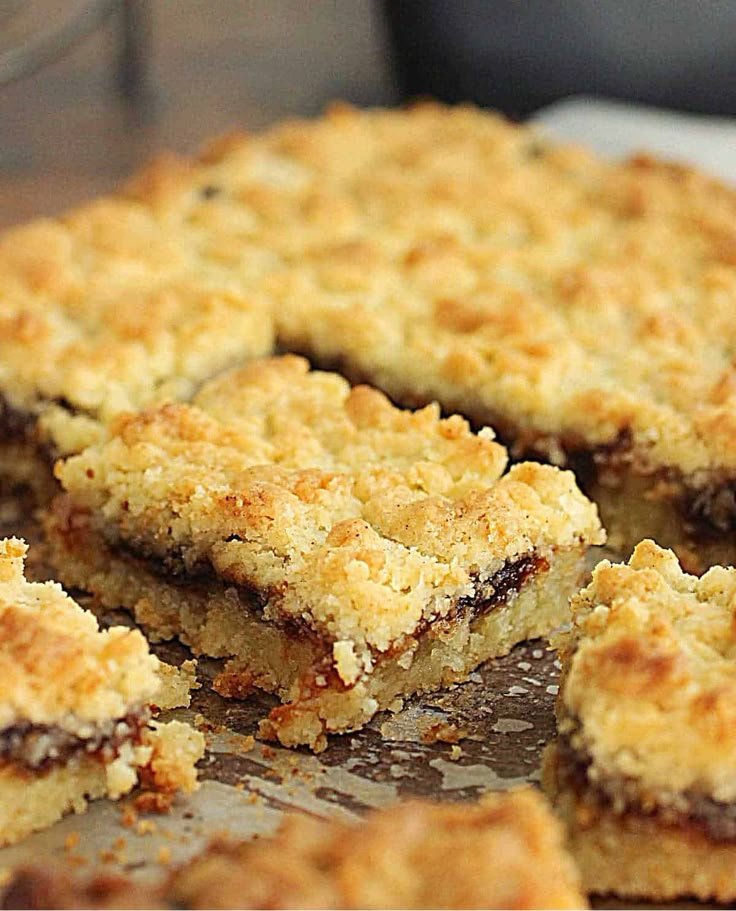
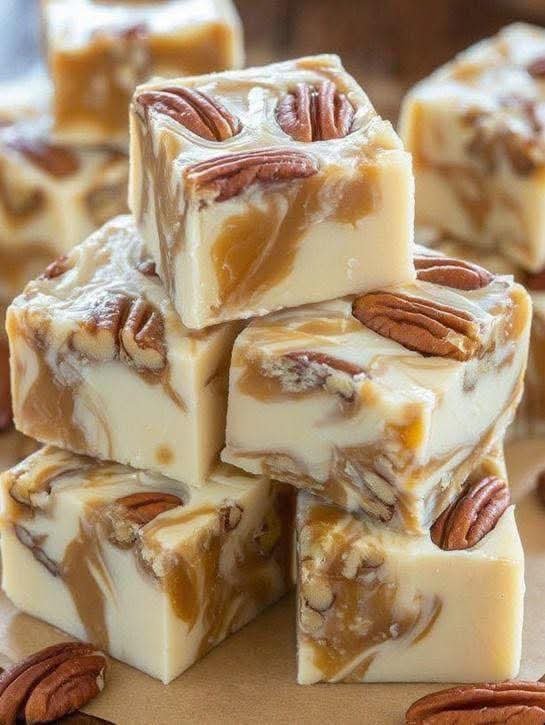
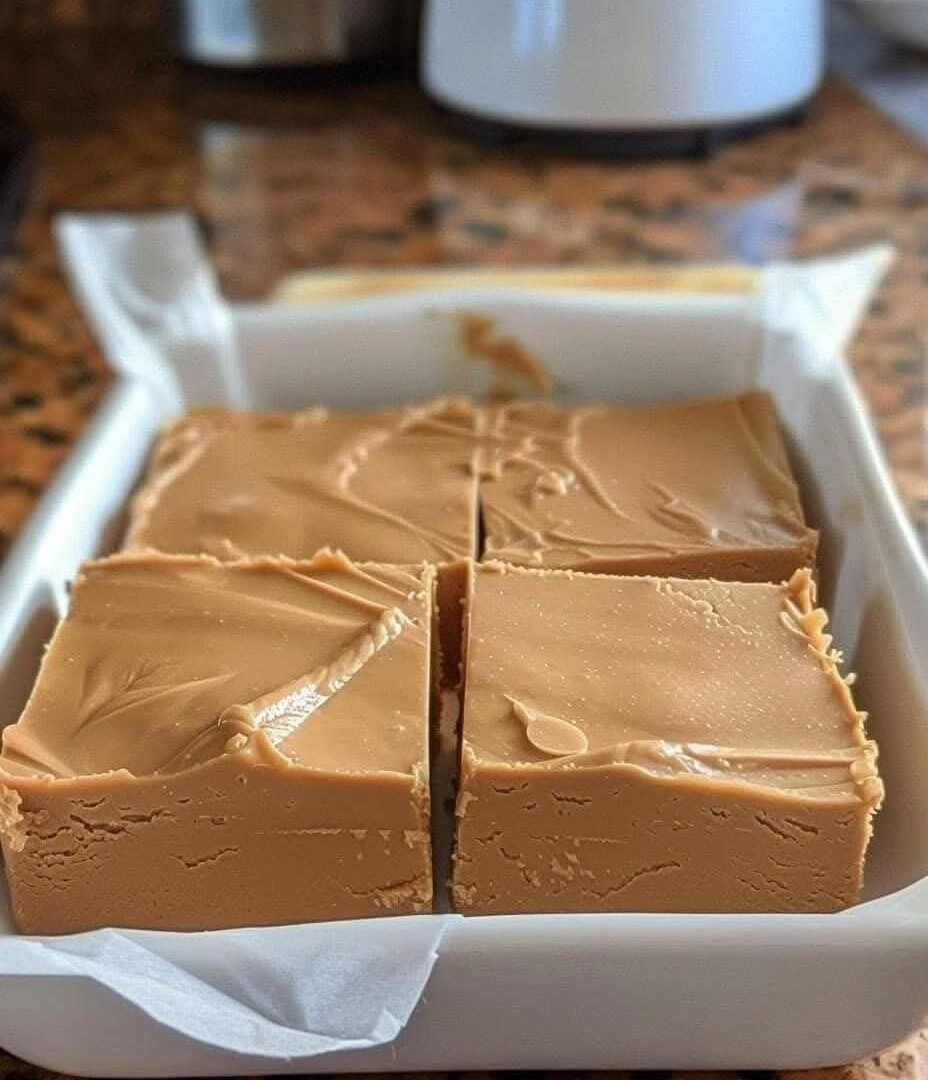
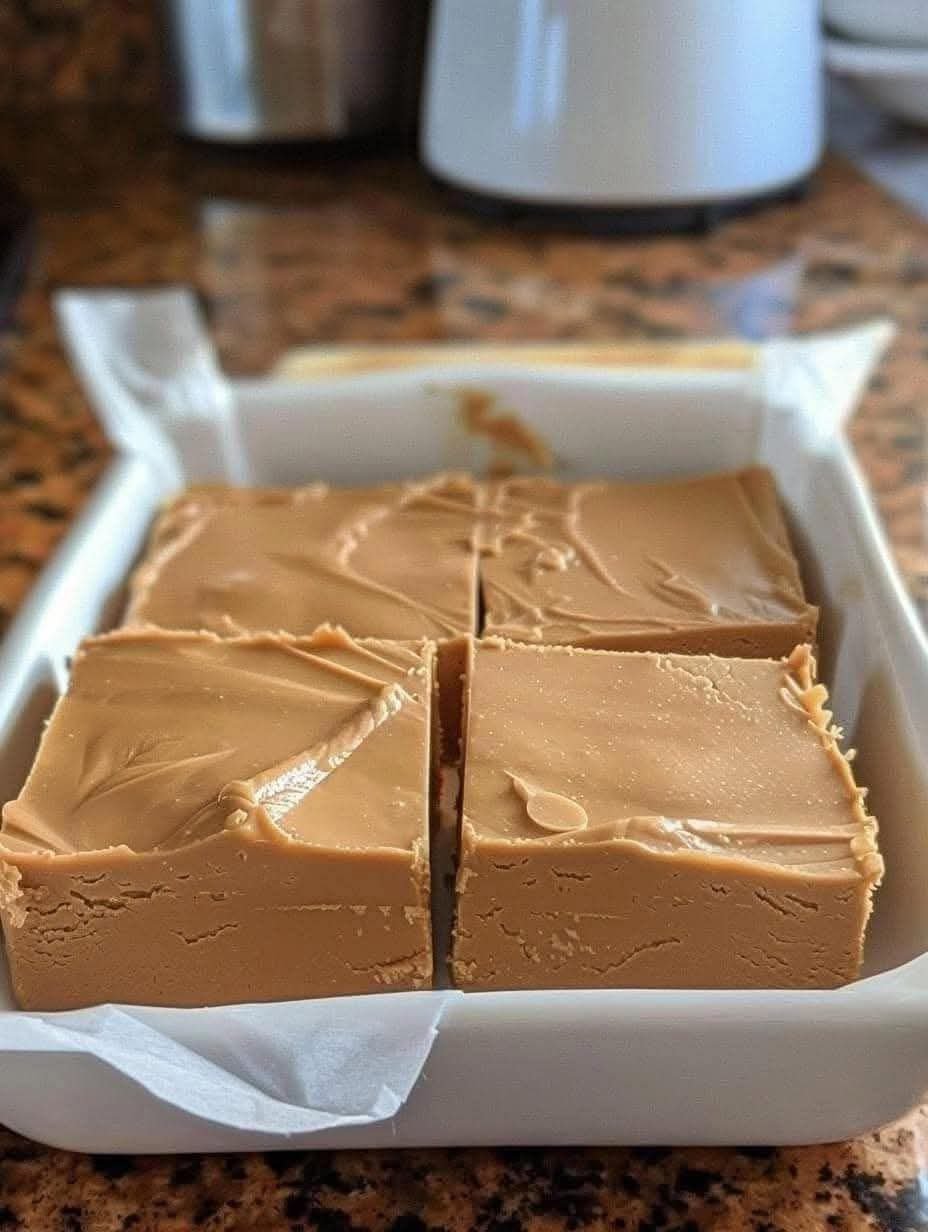
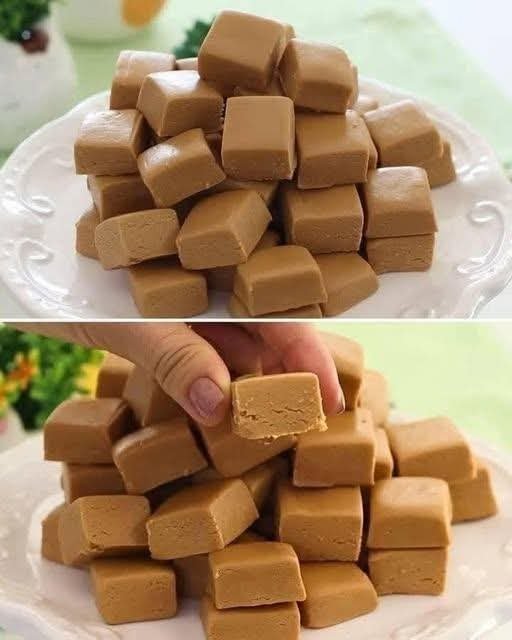
Scottish tablet is a beloved confection that holds a special place in the hearts of Scots and dessert lovers worldwide. With a texture that sits somewhere between fudge and hard caramel—crumbly yet melt-in-your-mouth—it’s an irresistible treat. This recipe yields a generous batch perfect for sharing (or hoarding, we won’t judge). Making tablet is a delightful culinary tradition, and mastering it brings a taste of Scottish heritage right into your kitchen.
History & Lore
Tablet (pronounced ta-blet in Scotland) has been documented as far back as the early 18th century, with recipes appearing in The Household Book of Lady Grisell Baillie in 1692. Originally a luxury for the wealthy due to the cost of sugar, it became more widespread during the 19th century. Unlike fudge, Scottish tablet is grainy and brittle, achieved by continuous stirring during crystallization. It’s a staple at Scottish gatherings, from birthdays to Hogmanay (New Year’s Eve), and evokes a deep sense of nostalgia.
Benefits & Joy
· Cultural Connection: Making tablet is a delicious way to connect with Scottish roots. · Gift of Love: Homemade tablet makes a heartfelt, impressive gift. · Therapeutic Process: The rhythmic stirring can be a mindful, comforting activity. · Customizable: You can add flavors like vanilla, whisky, or ginger to make it your own.
Ingredients
(Makes about 64 pieces)
· 1 kg (about 4 ½ cups) granulated sugar · 250 ml (1 cup) full-fat whole milk · 250 ml (1 cup) heavy cream (double cream) · 115 g (½ cup) unsalted butter, cubed · 1 teaspoon pure vanilla extract (or 2 tbsp whisky for a traditional twist) · Optional: Pinch of salt to enhance flavor
Equipment Needed
· Large, heavy-bottomed saucepan (to prevent scorching) · Sugar thermometer (candy thermometer) · Wooden spoon or silicone spatula · Greased 20×20 cm (8×8 inch) baking tin or silicone pan · Parchment paper (for easy removal)
Step-by-Step Instructions & Method
Preparation
Prepare the Tin: Lightly grease your baking tin and line with parchment paper, leaving an overhang for easy removal.
Measure Precisely: Have all ingredients measured and ready. Candy-making requires attention, so no running to the cupboard mid-process!
Cooking Process
Combine Base: In your large saucepan, combine the sugar, milk, and cream. Heat over medium-low heat, stirring gently until the sugar dissolves completely. Do not let it boil until sugar is fully dissolved.
Bring to Boil: Once dissolved, increase heat to medium-high and bring to a rolling boil. Attach your sugar thermometer to the side of the pan.
The Vigilant Stir: This is the crucial stage. Maintain a steady boil, stirring constantly to prevent burning. Scrape the bottom and sides of the pan. The mixture will bubble up vigorously—your heavy pan will help control this.
Temperature Target: Cook until the mixture reaches 116–118°C (240–245°F) on the thermometer. This is the “soft-ball” stage. This process will take about 20–25 minutes. The mixture will thicken and turn a pale golden color.
Butter & Flavor: Remove the pan from heat immediately. Drop in the cubed butter and vanilla extract (or whisky). DO NOT STIR YET. Let the butter melt for a minute.
Beat to Perfection: Now, beat vigorously with a wooden spoon or electric hand mixer on low. Continue beating for 5–10 minutes. You will see the mixture transform: it will thicken, become matte, and start to grain. It should feel thick and hold its shape when dropped from the spoon.
Pour & Set: Quickly pour the tablet into your prepared tin. Spread evenly with a spatula. Do not smooth it perfectly—the traditional rustic top is part of its charm.
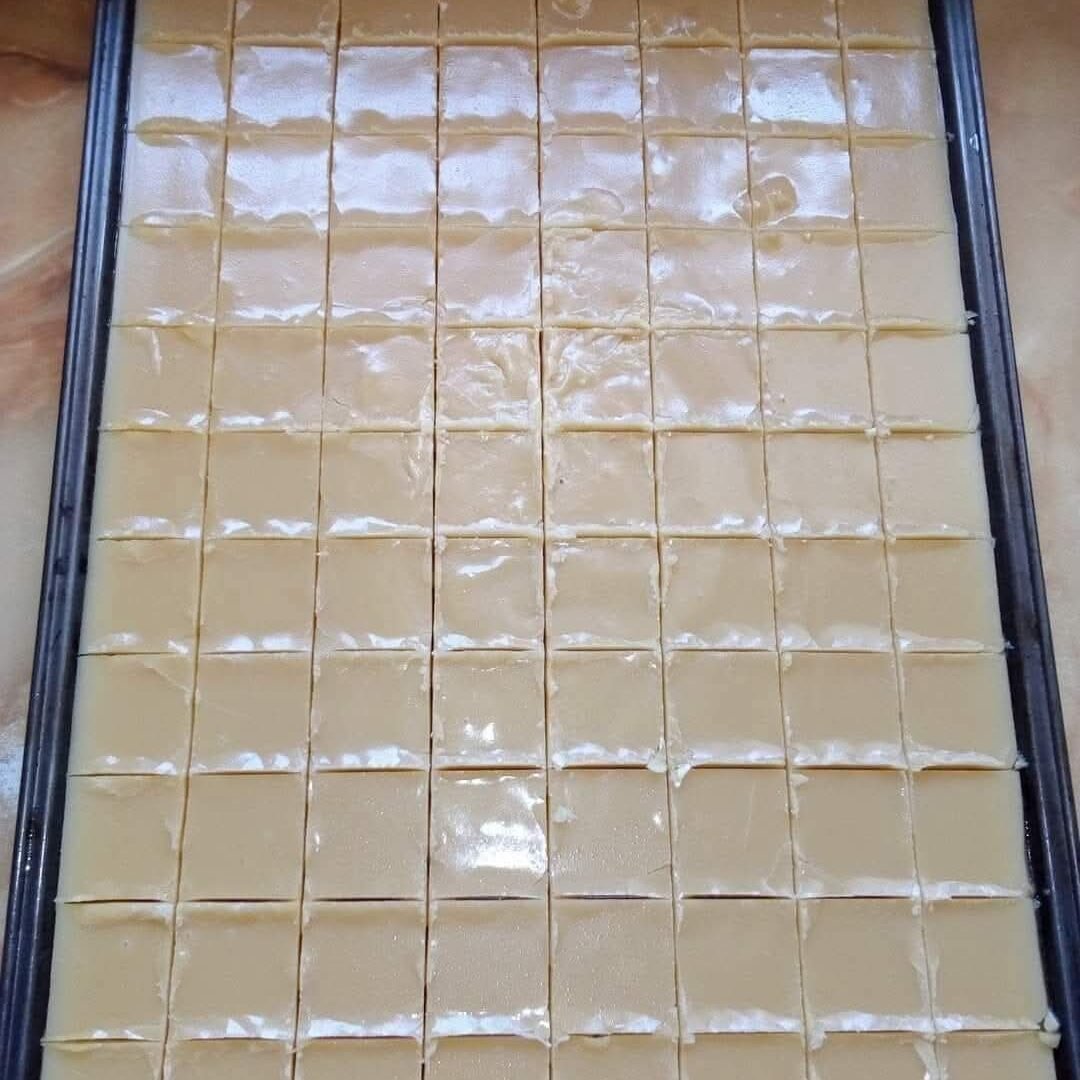
Score & Cool: While still warm, score the tablet into squares or rectangles with a sharp knife. Let it cool completely at room temperature (for at least 2–3 hours, preferably overnight).
The Crack: Once fully set and firm, use the parchment paper to lift it out. Crack along the scored lines into individual pieces.
Tips for Success
· Patience is Key: Do not rush the boiling stage or increase heat to speed it up. Burnt sugar is bitter. · Consistent Stirring: This prevents crystallization on the sides and ensures even cooking. · Humidity Warning: Avoid making tablet on a very humid day, as it can prevent proper setting. · Experiment: Add 50g of chopped crystallized ginger or a swirl of whisky at the beating stage for flair.
Nutrition Information (Per Piece, approx.)
· Calories: ~120 kcal · Carbohydrates: 20g (primarily sugar) · Fat: 4.5g · Protein: 0.3g · Note: Tablet is an indulgent treat best enjoyed in moderation. It provides a quick energy boost but is high in sugar and saturated fat.
Conclusion
Scottish tablet is more than just candy; it’s an edible heirloom. The process of making it—the stirring, the watching, the waiting—is a labor of love that yields sweet rewards. Whether you’re honoring family heritage or discovering a new favorite, this recipe offers a delicious journey into Scottish tradition.
For the Lovers of Sweetness
Tablet lovers are a devoted bunch! They appreciate the craft behind the crumble, the rich buttery flavor, and the way it pairs perfectly with a strong cup of tea or black coffee. Sharing homemade tablet sparks joy, connects generations, and often becomes a requested treat for every family gathering. Once you’ve mastered it, you’ll likely be crowned the family’s honorary Scottish confectioner!
Slàinte mhath! (Good health!) Enjoy every crumbly, sugary, delightful bite.