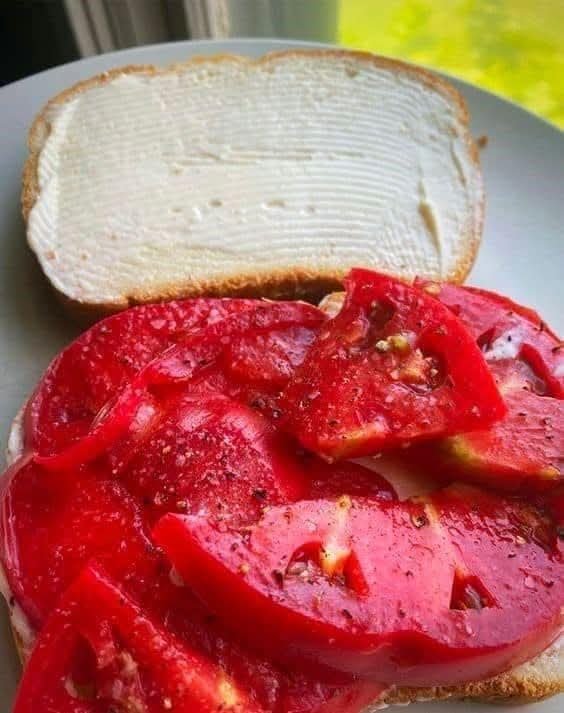
Sliced Tomato with Salt & Pepper: A Monumental Ode to Simplicity
Introduction
This is not just a recipe. It is a meditation, an edible poem, a culinary truth so profound that it has humbled kings and comforted farmers for centuries. In a world of complex gastronomy, the sliced tomato with salt and pepper stands as a testament to the power of pristine ingredients, treated with respect and understanding. It is the essence of summer captured on a plate, a direct line from the sun-warmed vine to your senses. Mastering this dish is about cultivating an eye for quality and a hand for restraint. Here, we will explore this simple act in its full, glorious depth.
The Grand History
The tomato (Solanum lycopersicum), native to western South America, embarked on a global journey after the Spanish colonization of the Americas. Initially met with suspicion in Europe (considered ornamental and even poisonous), it took centuries to become the staple it is today. The practice of salting tomatoes likely emerged in the Mediterranean basin, where the pairing of ripe tomatoes, coarse salt, and cracked pepper on a peasant’s table became a symbol of rustic, honest eating. This dish is the great-grandparent of every sophisticated tomato salad, a foundational ritual in cuisines from the American South to the Italian countryside.
The Philosophy of Formation
The “formation” of this dish is intentional geometry. It is about creating a canvas. The tomato slices are arranged not haphazardly, but with purpose—slightly overlapping in a concentric circle or a single, elegant line. This formation allows each slice to hold its own bed of seasoned juices, ensures even distribution of seasoning, and transforms the plate from a snack into a presentation. It honors the tomato’s shape, its seed patterns, and its color.
Ingredients (The Sacred Trinity)
· 1–2 perfectly ripe, room-temperature tomatoes: Heirloom (Brandywine, Cherokee Purple), vine-ripened, or garden-fresh. The variety matters less than the quality. It should yield slightly to gentle pressure and smell sweetly of the earth and sun. · Flaky sea salt (such as Maldon) or kosher salt: This is for texture and controlled salinity. The flakes provide delightful bursts and dissolve slowly. · Freshly cracked black pepper (a generous amount): Use Tellicherry or Malabar peppercorns in a mill. Pre-ground pepper is not permitted here.
(Optional Devotions: A drizzle of the highest quality extra virgin olive oil. A few torn basil leaves.)
Methods & Instructions: A Ritual in Four Acts
Act I: The Preparation
The Cleanse: Gently rinse the tomatoes under cool water and pat them completely dry with a clean cloth.
The Tools: Select a sharp serrated or very sharp chef’s knife. A dull blade will crush and bruise the flesh. Have your salt cellar and pepper mill ready. Choose a wide, shallow plate or platter to accommodate the slices without crowding.
Act II: The Slice
Core the tomato: Remove the small woody stem end with the tip of your knife.
Find the axis: Place the tomato on its side. For round slices, cut perpendicularly, aiming for slices between 1/4 to 1/2 inch thick. For elegant wedges, slice it vertically from pole to pole.
Apply confident, gentle pressure: Let the knife do the work. A clean slice will reveal glistening flesh, well-defined seed locules, and minimal juice on the cutting board.
Act III: The Assembly
Arrange the slices on the plate in your chosen formation—the classic fan, the overlapping spiral, or the simple, honest row.
The Seasoning Ceremony: This is the heart of the ritual. · Salt First: From a height of about 10 inches, sprinkle the flaky salt evenly over the tomatoes. The height ensures distribution. Salt draws out the natural juices, creating the foundational “liquor” of the dish. · Pepper Second: Now, generously grind the black pepper over the salted slices. The salt bed will catch and hold the pepper flakes.
Act IV: The Wait & The Serve
Let the plated tomatoes rest for 3-5 minutes. This is non-negotiable. This allows the salt to penetrate, pulling the tomato’s innate sweetness to the surface and mingling with the pepper’s heat to create a complex, juicy sauce in the plate’s well.
If using, now drizzle with olive oil and scatter basil.
Serve immediately, preferably in the sunlight.
Nutritional Benefits (A Healthful Truth)
This dish is a powerhouse of wellness:
· Lycopene: A potent antioxidant in tomatoes, linked to reduced risk of heart disease and cancer, enhanced by the bioavailability cooking doesn’t provide here. · Vitamins & Minerals: Exceptionally high in Vitamin C, potassium, folate, and Vitamin K. · Hydration & Fiber: Tomatoes are over 95% water and provide soluble fiber, aiding digestion and hydration. · Low-Calorie, High-Satisfaction: A plateful is under 50 calories, yet deeply satisfying to the palate and soul.
For The Lovers (Aficionados’ Notes)
· The Tomato Connoisseur: Seeks out rare heirloom varieties for a rainbow plate—yellow for mild sweetness, purple for smoky depth, green for bright tang. · The Pepper Devotee: Experiments with different peppercorns—Tellicherry for citrusy depth, Sarawak for floral notes, or even a mix with a single grind of Sichuan pepper for a hint of numbness. · The Minimalist Puritan: Believes the optional olive oil, while delicious, is a distraction from the pure tomato-salt-pepper trinity. · The Seasonal Zealot: Eats this dish only during peak tomato season (late July through September), considering it sacrilege at any other time.
Conclusion
Sliced Tomato with Salt & Pepper is more than a recipe; it is a benchmark. It measures the quality of your ingredients, the sharpness of your knife, and your confidence in simplicity. It is a dish that teaches patience, seasonality, and respect. In its utter lack of pretension lies its immense sophistication. When you perfect this, you understand that the best cooking often isn’t about making something more, but about revealing what is already, magnificently, there. It is, and will always be, a perfect food.
Serve to lovers of summer, purists, gardeners, and anyone who needs reminding that the greatest joys are often the simplest.