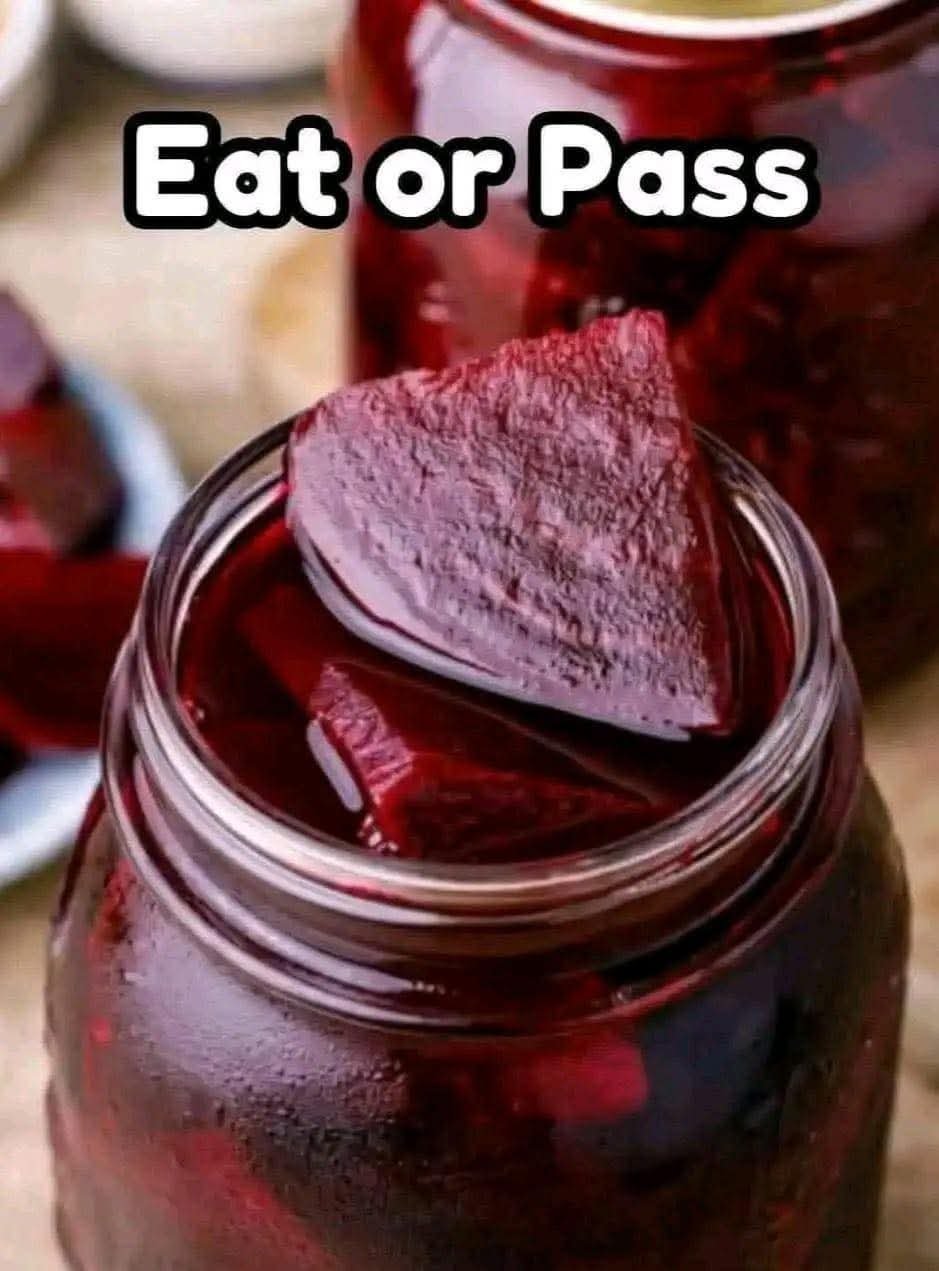
The Ultimate Pickled Beets Recipe: A Sweet & Tangy Tradition
Introduction
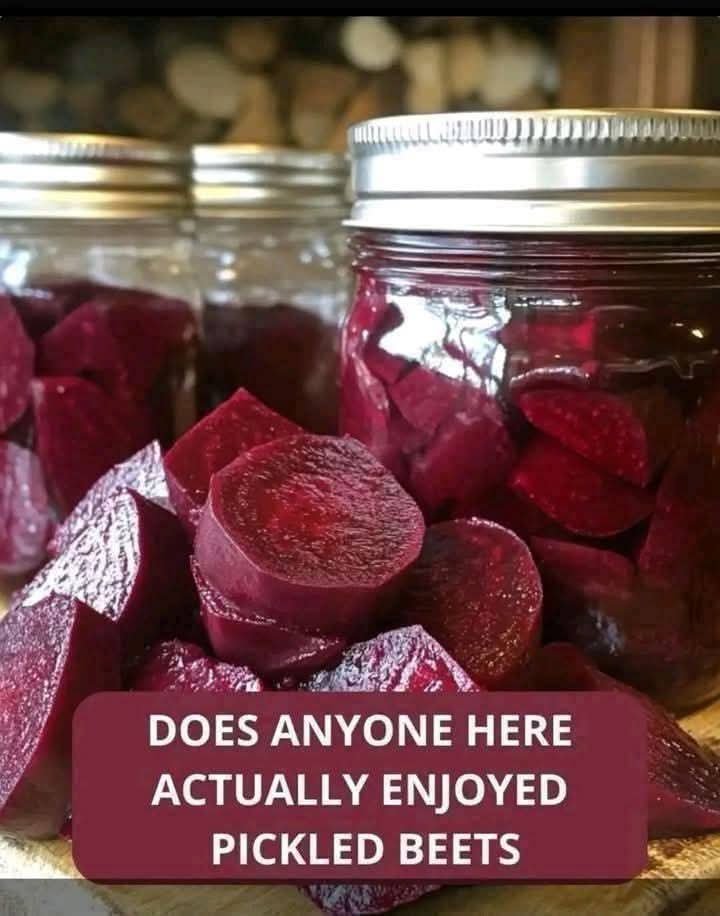
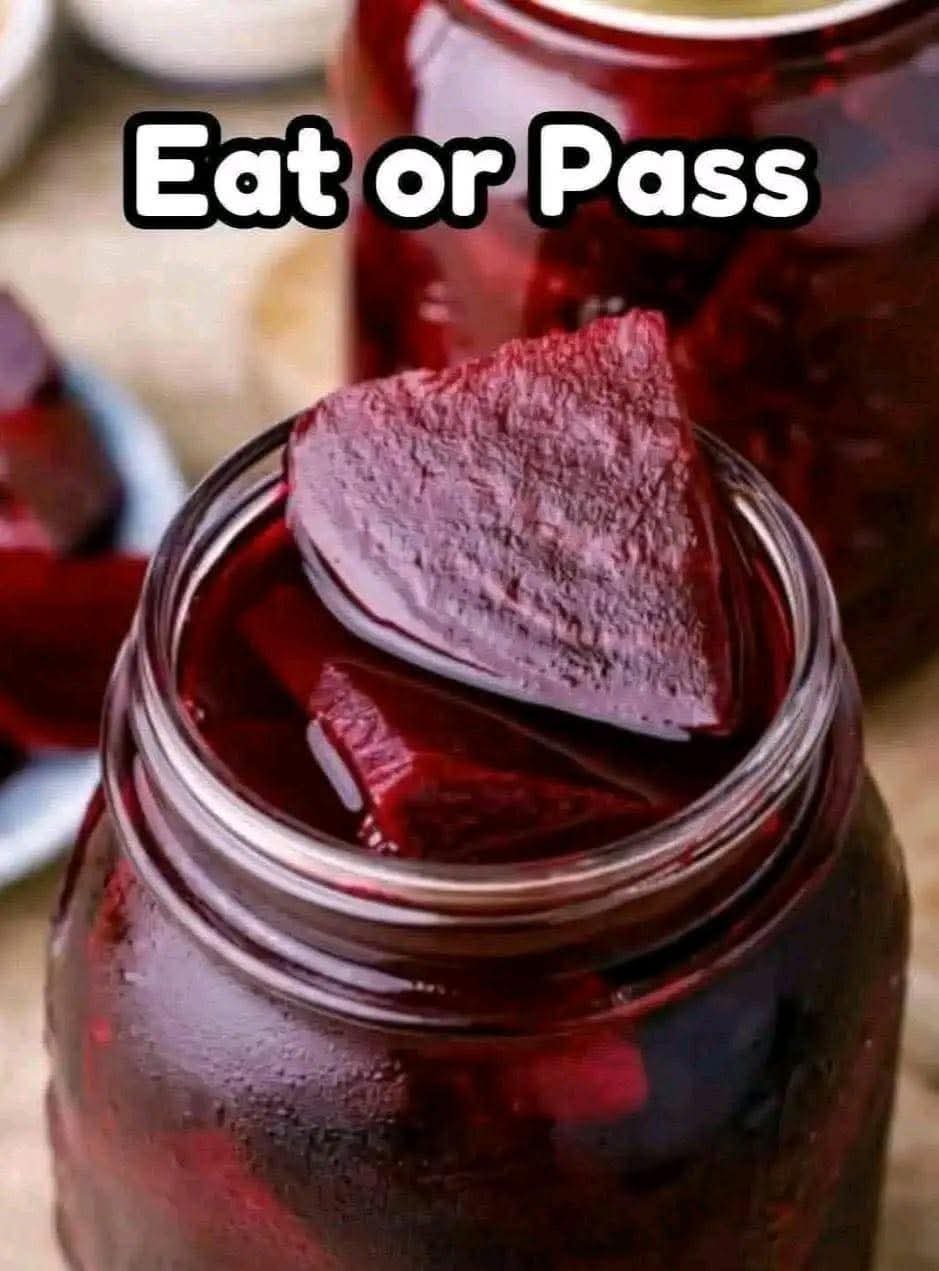
Pickled beets are a vibrant, sweet-and-sour delicacy that has graced tables for centuries. This versatile preserve transforms the humble beetroot into a tangy, jewel-toned treat perfect for salads, charcuterie boards, or as a standalone side. The balance of earthy sweetness from the beets, acidity from vinegar, and warm spice from cloves and allspice creates a complex flavor that improves with time. Whether you’re a seasoned canner or a first-time pickler, this recipe yields a classic, foolproof result.
History & Cultural Significance
Pickling beets dates back to ancient times when preservation was essential for winter survival. In Eastern European cuisines, particularly Russian, Polish, and Ashkenazi Jewish traditions, pickled beets are a staple—featured in borscht, herring under a fur coat, or simply as a condiment. In America, they became a common pantry item during the home-canning boom of the early 20th century. Their bold color and sweet-tart flavor have made them a beloved accompaniment to rich meats and hearty meals.
Benefits of Pickled Beets
· Nutrient-Rich: Beets are high in fiber, folate, manganese, potassium, iron, and vitamin C.
· Antioxidant Power: The deep red color comes from betalains, which have anti-inflammatory properties.
· Probiotic Potential: If fermented (rather than quick-pickled with vinegar), they can support gut health.
· Low in Calories: A flavorful way to add volume and nutrients to meals without excess calories.
· Long Shelf Life: Properly canned pickled beets can last over a year, reducing food waste.
Recipe
Ingredients
· 8 medium fresh beets (about 2–3 inches in diameter)
· 1 cup vinegar (white distilled or apple cider vinegar for milder tang)
· ½ cup sugar
· 1½ teaspoons whole cloves
· 1½ teaspoons whole allspice
· Optional additions:
· 1 cinnamon stick
· ½ onion, thinly sliced
· 1 teaspoon mustard seeds
· ½ teaspoon black peppercorns
· Water, as needed
· Canning salt (optional, 1 teaspoon for enhanced preservation)
Equipment
· Large pot for boiling beets
· Medium saucepan for brine
· Canning jars with lids and bands (quart or pint size)
· Jar lifter
· Canning funnel
· Large bowl or clean sink with ice water
Instructions
Method 1: Traditional Hot Water Bath Canning (for long-term storage)
Step 1: Prepare the Beets
- Trim beet greens, leaving 1 inch of stems and the taproot to prevent bleeding.
- Wash beets thoroughly under cool water to remove dirt.
- In a large pot, cover beets with water and boil until tender when pierced with a fork (30–45 minutes).
- Drain and transfer beets to ice water. Slip off skins, trim remaining stems/roots, and slice or cube beets.
Step 2: Make the Pickling Brine
- In a saucepan, combine vinegar, sugar, cloves, allspice, and any optional spices.
- Add 1 cup of water and bring to a boil, stirring until sugar dissolves.
- Reduce heat and simmer for 10 minutes to infuse spices. Strain if desired.
Step 3: Pack Jars
- Sterilize jars and lids by boiling or running through a dishwasher.
- Pack beets (and optional onions) into hot jars, leaving ½-inch headspace.
- Ladle hot brine over beets, maintaining ½-inch headspace. Remove air bubbles with a non-metallic utensil.
- Wipe rims, place lids on, and screw bands on fingertip-tight.
Step 4: Process
- Process pints or quarts in a boiling water bath for 30 minutes (adjust for altitude).
- Remove jars, cool undisturbed for 24 hours. Check seals before storing.
Method 2: Quick Refrigerator Pickles (no canning required)
- Prepare beets as above. Pack into clean jars.
- Prepare brine as above, let cool slightly, then pour over beets.
- Seal and refrigerate. Ready in 24 hours; keeps up to 1 month.
Nutritional Profile (per ½-cup serving)
· Calories: 75
· Carbohydrates: 18g
· Fiber: 2g
· Sugars: 15g
· Protein: 1g
· Fat: 0g
· Vitamin C: 6% DV
· Folate: 20% DV
· Iron: 4% DV
Note: Nutritional values are approximate and can vary based on beet size and brine absorption.
For the Pickled Beet Lover: Serving Ideas
· Classic Side: Chilled with roasted meats or grilled sausages.
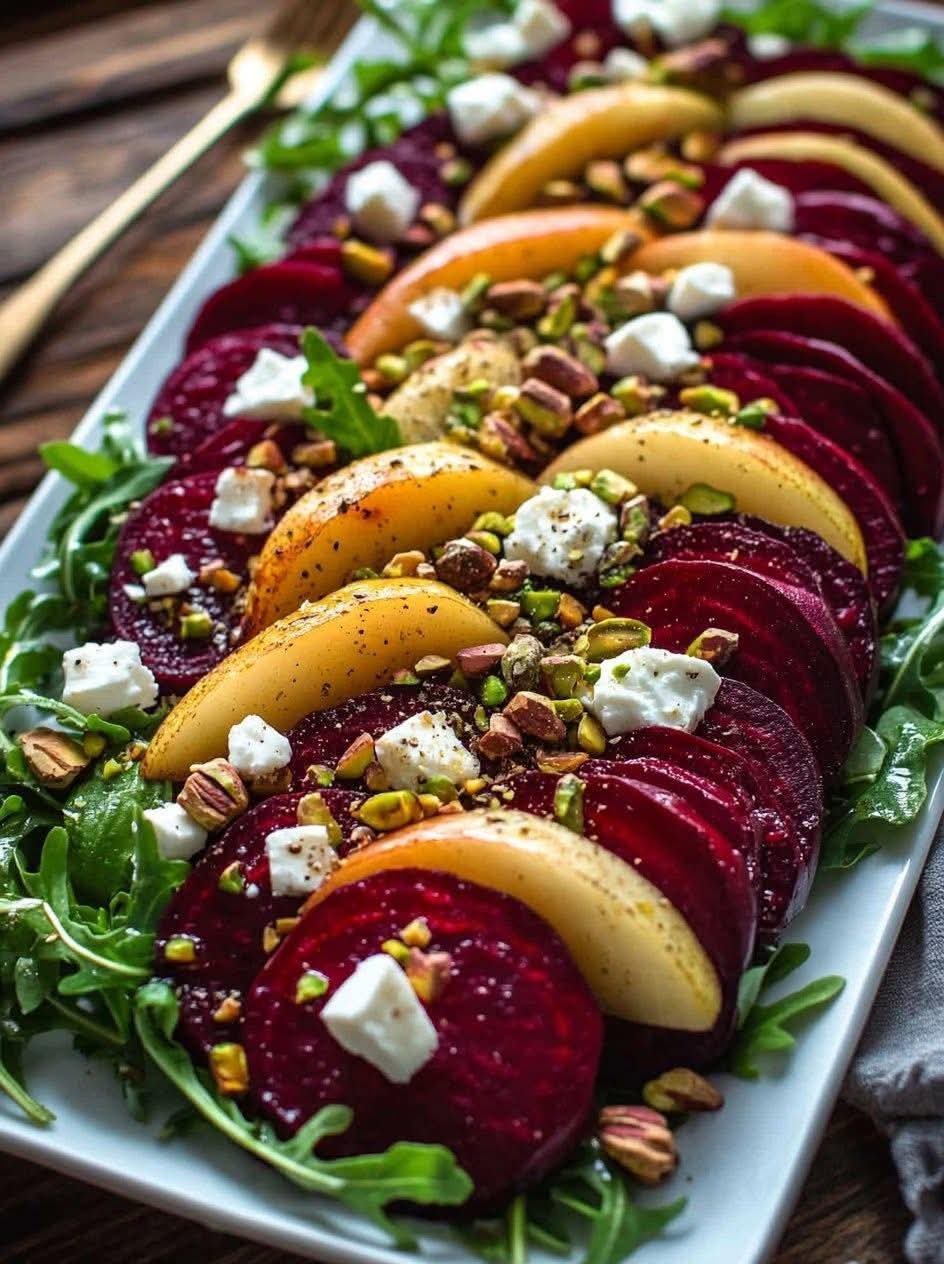
· Salad Star: Tossed with goat cheese, walnuts, and arugula.
· Sandwich Upgrade: Layer on Reubens or turkey clubs.
· Brunch Brightener: Serve alongside deviled eggs or quiche.
· Holiday Relish: Dice finely with horseradish for a festive condiment.
· Cocktail Twist: Use brine in a “pickled beet martini” or to add color to dressings.
Conclusion
Pickled beets are more than a simple preserve—they are a bridge between historical preservation methods and modern culinary creativity. Their stunning color, nutritional benefits, and versatility make them a rewarding project for any home cook. Whether you choose to can them for pantry storage or whip up a quick refrigerator batch, these sweet-tart gems will become a staple in your kitchen. Embrace the tradition, experiment with spices, and share the jewel-toned joy of pickled beets with fellow food lovers.
Final Tips for Perfection
· Uniform Size: Cut beets evenly for consistent texture and pickling.
· Brine Flexibility: Adjust sugar/vinegar ratio to taste; some prefer a tangier beet.
· Spice Creativity: Add star anise, ginger, or orange peel for unique variations.
· Patience Pays: Let canned beets rest at least 2 weeks for flavors to meld.
· Gift Idea: Decorative jars of pickled beets make heartfelt homemade presents.
Happy pickling!