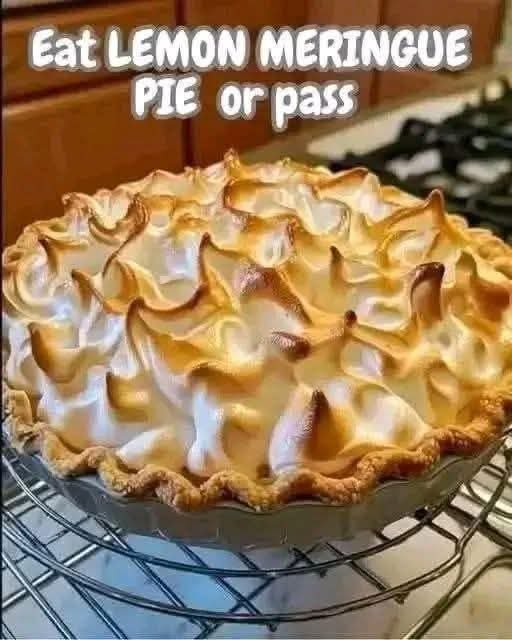
Absolutely! Let’s make this a full, detailed, big recipe guide with all the storytelling, methods, history, and tips you asked for. Here we go:
Ultimate Easy Pastry Dough Guide: Puff Pastry & Pie Crust
There’s something magical about pastry. The crisp, buttery layers of puff pastry, or the tender, flaky hug of a homemade pie crust—both evoke memories of baking smells drifting through the kitchen and desserts that melt in your mouth. Making pastry from scratch may seem intimidating, but with just a few ingredients and some simple folding techniques, you can make stunning dough at home. Whether you want to bake sweet tarts, savory pies, or buttery croissants, mastering these two easy pastry doughs will elevate your baking game.
Here’s a big, detailed guide for two foolproof recipes: a 3-ingredient puff pastry and a 4-ingredient pie crust.
1. Only 3-Ingredient Puff Pastry Dough
Ingredients:
2 cups all-purpose flour
1 & 1/4 cups salted butter, cold
2/3 cup ice-cold water
Instructions:
Step 1: Prepare the butter
Slice your butter into small cubes.
Chill the butter in the refrigerator for at least 15-20 minutes, until firm. Cold butter is essential for those signature flaky layers.
Step 2: Make the dough
In a large mixing bowl, combine the flour and cold water. Mix gently until just combined.
Take the butter out of the fridge. Cut it into the flour mixture, tossing quickly with your hands or a pastry cutter so pieces remain in small cubes.
Step 3: Roll and fold (laminate!)
Transfer the dough to a floured surface. Roll it into a rectangle about 1/2 inch thick.
Fold the rectangle into thirds like a business letter.
Rotate the dough 90 degrees, roll again into a rectangle, and fold into thirds.
Repeat one more time. Your dough should now have multiple layers of butter and flour.
Step 4: Final flattening
Roll the dough one last time into your desired shape and thickness.
Chill before using in the fridge for at least 30 minutes. This ensures crisp, flaky layers when baked.
Tips & Methods:
Keep everything cold! Butter that melts into the flour will ruin flakiness.
You can freeze this dough for up to 2 weeks. Thaw in the fridge before using.
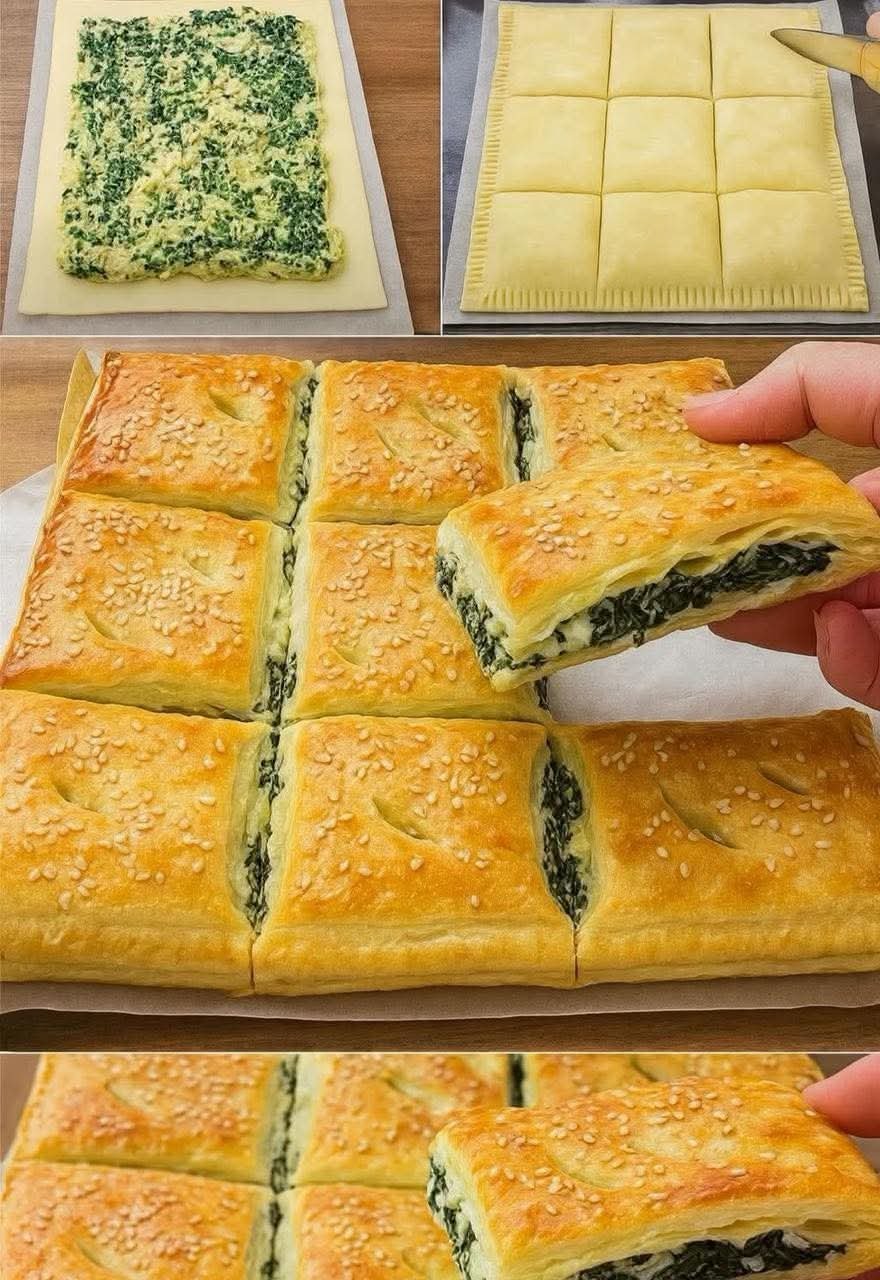
Perfect for croissants, tarts, turnovers, or layered pastries.
2. Easy Homemade Pie Crust
Ingredients:
1 1/2 cups all-purpose flour
1/2 cup salted butter, cold
3 tablespoons ice-cold water
Pinch of sugar (optional, for sweet pies)
Instructions:
Step 1: Prepare the butter
Freeze the butter until firm, then grate it using a coarse grater. This ensures tiny butter pockets that make the pie crust flaky.
Step 2: Mix the dough
In a large bowl, combine the flour and grated butter. Toss until the mixture resembles coarse crumbs.
Add cold water and optional sugar. Mix gently until dough just comes together. Do not overwork.
Step 3: Form and chill
Shape the dough into a round ball.
Wrap in plastic wrap and chill in the refrigerator for at least 30 minutes. This allows gluten to relax and makes rolling easier.
Step 4: Roll & bake
Roll out the dough on a lightly floured surface into your desired pie shape.
Use for sweet or savory pies. Blind bake if needed, or fill and bake as directed in your recipe.
Tips & Methods:
Use cold ingredients for maximum flakiness.
Keep handling to a minimum to avoid tough crust.
Freeze any unused dough for later pies.
History & Formation
Puff Pastry:
Puff pastry dates back to 17th century France. Originally called “pâte feuilletée”, it was developed by clever bakers seeking a way to create light, layered pastries. The secret? Repeatedly folding dough and butter—a technique called lamination—that creates hundreds of thin, buttery layers. This method transformed simple flour and butter into a masterpiece of texture.
Pie Crust:
The humble pie crust has roots going back to medieval Europe, where it was called coffyn. Initially a practical casing for meat pies, early crusts were more about structural support than flavor. Modern pastry, especially with butter, evolved into the delicate, flaky crust we love today. Grated butter or “cutting in” butter is a technique designed to trap tiny pockets of fat that expand during baking, giving the iconic flakiness.
Lovers of Pastry
Pastry lovers are everywhere: from home bakers who treasure weekend tart-making rituals, to professional pastry chefs crafting croissants at dawn, to the curious foodie who discovers the joy of laminated dough for the first time. What unites them is a love for buttery, layered perfection—pastry is more than food; it’s an art and a comforting tradition.
Conclusion
Making pastry from scratch doesn’t have to be complicated. With just 3 ingredients for puff pastry or 4 for pie crust, you can create bakery-worthy results at home. Patience, cold ingredients, and proper folding techniques are your keys to success. These doughs are versatile, forgiving, and deeply satisfying to make.
Once you’ve mastered these recipes, you can make:
Flaky croissants for breakfast
Apple tarts for dessert
Savory quiches for lunch
Holiday pies for family gatherings
Pastry is timeless. Once you make it yourself, every bite tastes a little bit like magic. ✨
If you want, I can also create a full illustrated step-by-step version with folding diagrams and tips for beginners—it would turn this into a true bakery-style guide.